The conclusion Sixty dollars for both failure layers, four cells in the box, BHMA Grade 3, IP54, both standard bore sizes named and two hundred codes — and the only honest battery statement on this shelf: 200 days with the Wi-Fi on, 300 with it off, which prices a feature everybody else gives away. No fingerprint reader at this price, Grade 3 rather than the Grade 2 available here for nineteen dollars more, and a keypad that will show its wear.
What the maker puts in writing
Up to 200 customisable codes · backlit keypad · enter your passcode in between random digits
“Lasts up to 200 days in Wi-Fi mode or 300 days in Bluetooth mode.” 4 × AA included
USB-C port for emergency power · 2 backup keys
BHMA Grade 3 · IP54 against rain, dust and dirt
PIN attempt limiter: locks the system after a set number of failed attempts
Installs on standard lock hole sizes of 2-1/8” (54mm (2.13 in)) and 1-1/2” (38mm (1.50 in)). No drilling.
Voice control with PIN verification · Alexa, Google Home, SmartThings
No fingerprint reader.
Two hundred days, or three hundred
Which is the only honest battery statement on this shelf.
Wi-Fi mode: two hundred days. Bluetooth mode: three hundred.
Remote access costs a third of the battery life, because the lock has to keep a
radio associated with the router rather than waking for a phone in the doorway.
Every other lock here advertises built-in Wi-Fi as a free convenience.
Never used from away? Bluetooth mode gives a hundred extra days. An Airbnb? The
Wi-Fi is the point, and you change cells sooner.
Now you can choose.
Two hundred codes, for one specific case
A property with turnover.
One code per guest, per cleaner, per contractor. Each revocable, each timestamped
in the log. Two hundred is years of lettings without reuse.
For a family of four it is the same as fifty.
What matters more every day
The attempt limiter, and the random digits.
The limiter locks the keypad after a set number of wrong entries, which is the
measure against someone standing at the door trying codes. Only this lock on the
shelf names it.
The random-digit option lets you pad the real PIN, so a watcher cannot read it off
your fingers — and a tactile keypad needs that, because the four buttons in use
wear shinier than the rest.
And no fingerprint
Which is the trade at sixty dollars.
A fingerprint sensor is the part of a smart lock most likely to degrade outdoors.
A backlit tactile keypad works with gloves, in the dark, and has nothing to
scratch.
If a fingerprint is the requirement, the same maker’s DL110 on this shelf adds one
for forty-nine dollars more.
Availability
On sale at around $60 on the American Amazon store at the time of checking.
Prices and availability are what Keepa reported on the date this page was updated; both move.
Prices quoted in this text were read on October 8, 2026. The live price is at the top of the page.
What reassures, and what does not
Strengths
Two hundred codes, four times the usual capacity here
Battery life quoted separately for Wi-Fi and Bluetooth
Four AA cells included
Both failure layers: USB-C port and two keys
IP54, the best ingress rating among the keypad locks here
Both standard bore sizes named, with no drilling
Compromises
No fingerprint reader at this price
Wi-Fi mode costs a third of the battery life
BHMA Grade 3, where one lock here is Grade 2
Two hundred days is the shortest alkaline figure on this shelf
Voice unlocking needs a PIN, which some will find a nuisance
A tactile keypad rather than touch, which shows wear patterns
Specifications
Credentials
Up to 200 customisable codes on a backlit keypad, Bluetooth for nearby access, remote Wi-Fi through the app, voice commands with PIN verification, and two backup keys. Two hundred codes is by far the largest capacity on this shelf, where the next highest is 100 and most are 50
Battery
Up to 200 days in Wi-Fi mode or 300 days in Bluetooth mode, on 4 AA cells INCLUDED. It is the ONLY battery figure on this shelf quoted separately for two radio modes, and the difference — a third of the life — is the real cost of remote access. Nothing else here tells you that
Failure path
Both layers published: a USB-C port for emergency power and two backup keys. This shelf's introduction says this is the question that should decide the purchase
Grade
BHMA Grade 3 certification and an IP54 weatherproof rating against rain, dust and dirt — stated. IP54 is the highest ingress rating among the keypad locks on this shelf, where three others are IP53
Security
A PIN attempt limiter that locks the system after a set number of failed unlocks, plus the option to enter the passcode in between random digits — stated. Both are real measures and the attempt limiter is named by only this lock here
Fitting
Installs on standard lock hole sizes of 2-1/8 in (54 mm) and 1-1/2 in (38 mm) with no drilling and no extra holes — stated. It is the clearest fitting statement on this shelf, naming both bore sizes rather than a door thickness range
Auto-lock
Automatic locking after use with customisable intervals, stated
Connection
Wi-Fi for remote use, Bluetooth for nearby, and Alexa, Google Home and Samsung SmartThings integration with voice plus PIN verification — the PIN requirement is the part worth noting, since a voice command alone would open a door to anyone shouting through a mailbox
Biometrics
None. There is no fingerprint reader and no palm sensor: codes, Bluetooth, app, voice and keys only
Amazon reference
B0F5BH3HDV
EAN
0840460601023
The questions we are asked
Why does the Wi-Fi versus Bluetooth figure matter?
Because it prices a feature nobody else on this shelf prices. Two hundred days in Wi-Fi mode against three hundred in Bluetooth means remote access costs you a third of the battery life — the lock has to keep a Wi-Fi radio associated with the router rather than waking for a phone in the doorway. Every other lock here advertises built-in Wi-Fi as a free convenience. If the lock is never operated from away, Bluetooth mode gives a hundred extra days; if it is an Airbnb, the Wi-Fi is the point and you change cells sooner.
Is 200 codes useful or just a number?
Useful in one specific case: a property with turnover. One code per guest, per cleaner, per contractor, each revocable, each timestamped in the activity log — and two hundred of them means years of lettings without reusing a code. For a family of four it is the same as fifty. What matters more day to day is the attempt limiter, which locks the keypad after a set number of wrong entries, and the random-digit option that lets you pad the real PIN so a watcher cannot read it off your fingers.
No fingerprint at sixty dollars — is that a problem?
It is the trade, and it is a defensible one. A fingerprint sensor is the part of a smart lock most likely to degrade outdoors, and the reader here is replaced by a backlit tactile keypad, which works with gloves and in the dark and has nothing to scratch. What a keypad does leak is wear: the four digits in use wear shinier than the rest, which is exactly what the random-digit padding is for. If a fingerprint is the requirement, the same maker's DL110 on this shelf adds one for forty-nine dollars more.
Against the rest of the smart locks
Between security devices of the same category and nearby price. Shown: what they all state. A half-filled column says nothing.
Model
Price
Credentials
Battery
Failure path
Grade
Tapo DL100 smart Wi-Fi deadbolt, keyless tactile buttons
$60
Up to 200 customisable codes on a backlit keypad, Bluetooth for nearby access, remote Wi-Fi through the app, voice commands with PIN verification, and two backup keys. Two hundred codes is by far the largest capacity on this shelf, where the next highest is 100 and most are 50
Up to 200 days in Wi-Fi mode or 300 days in Bluetooth mode, on 4 AA cells INCLUDED. It is the ONLY battery figure on this shelf quoted separately for two radio modes, and the difference — a third of the life — is the real cost of remote access. Nothing else here tells you that
Both layers published: a USB-C port for emergency power and two backup keys. This shelf's introduction says this is the question that should decide the purchase
BHMA Grade 3 certification and an IP54 weatherproof rating against rain, dust and dirt — stated. IP54 is the highest ingress rating among the keypad locks on this shelf, where three others are IP53
Fingerprint, keypad code, the Wyze app over built-in Wi-Fi, a Wyze video doorbell live feed, and the physical keys. Up to 50 codes or fingerprints stored
8 AA cells INCLUDED for up to 8 months of use, stated. Three locks on this shelf include their cells and one explicitly does not
Two published layers: eight AA cells giving up to 8 months, a USB-C port that lets any common power bank power the lock to unlock the door if the cells die, and physical backup keys as a guaranteed fallback. This shelf's introduction says the purchase should be decided on exactly this
BHMA Grade 2, stated as BHMA2 — and it is the highest grade published on this shelf. BHMA numbering runs downwards, so Grade 1 is best and Grade 2 beats the Grade 3 certifications on three other locks here, including Wyze's own dearer Palm Lock. IP53 weather resistance is also stated
Four ways: the app, the keypad, a physical key, and voice through Alexa or Google Assistant. There is no fingerprint reader, which is the difference from the maker's C220 on this shelf
Up to 8 months on 8 AA cells BASED ON TYPICAL USAGE OF APPROXIMATELY 10 UNLOCKS PER DAY — stated. It is the only battery figure on this shelf with its assumption published, and the assumption is what makes the figure usable: a household of five going in and out all day will see considerably less, and a second home considerably more. Every other eight-month claim here is the same arithmetic with the condition removed
A physical key, and no emergency power terminal published. One layer rather than two, where six locks on this shelf offer both — and this shelf's introduction calls this the question that should decide the purchase
Not published. No BHMA grade and no IP rating, where the maker's own C220 on this shelf publishes Grade 3, IP53 and a temperature range
Five ways in: fingerprint, keypad, app, FOB or key. The FOB is unusual on this shelf and is the right credential for a cleaner or an elderly relative, since it needs no phone and no code to remember
NOT PUBLISHED. No cell type, no count, no runtime and no statement of whether cells are included — the only lock on this shelf to publish nothing at all about power, on a shelf whose own tag reads: the interesting question is what happens when the battery dies
A physical key, one of the five ways in. No emergency power terminal is published — and with no battery life published either, the key is the only thing standing between the household and a locksmith
Not published. No BHMA grade, no IP rating and no cycle count, where four locks on this shelf publish a grade and five an ingress rating
What separates the models, in security devices
If price decides: this model, at $60.
What this one costs among smart locks
Details checked on October 8, 2026.
The buyer this one serves, among security devices
A household with many people needing their own code, where no fingerprint reader is wanted
What buyers actually choose
Amazon reports what buyers took in the month before this page was last checked: at least 1,000.
The figure is a floor, rounded by Amazon, and read through Keepa — it says what buyers picked, not what a maker claims.
Sources
Specifications: the manufacturer sheet for home security products and the matching Amazon product page. Prices and availability: Keepa. Every figure on this page names its source.
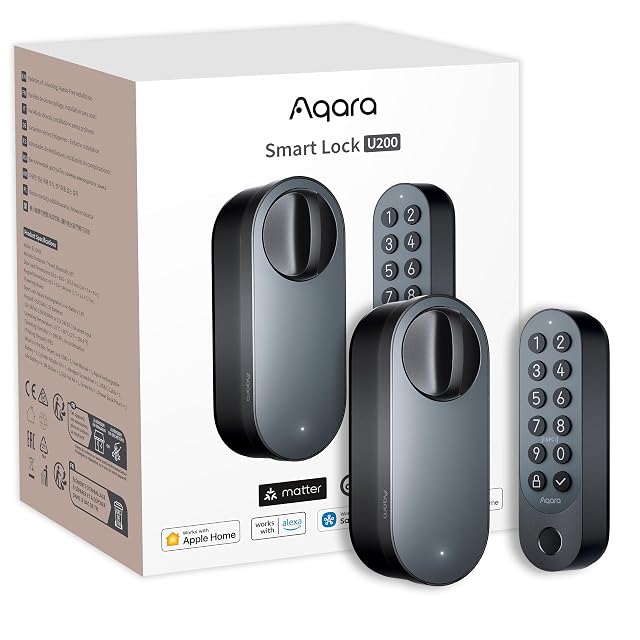
Matter over Thread · Apple Home Key · rechargeable Li-ion, 6 months stated · no drilling
A retrofit lock with native Matter over Thread, so it joins Apple Home, Google Home and Alexa without a vendor bridge. Aqara states Apple Home Key support, a rechargeable battery quoted at up to six months, and a quiet unlocking mode.
Best for: A household already running Matter or Apple Home, that wants the lock to be part of it rather than another app.
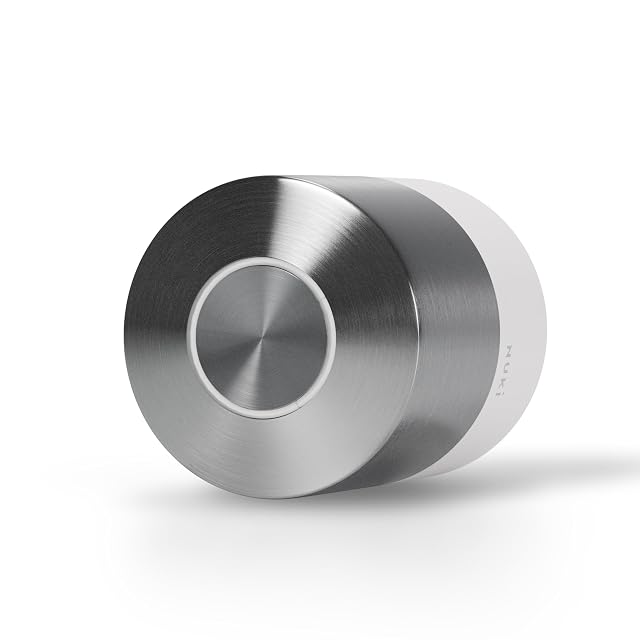
Retrofit · built-in Wi-Fi, no bridge · Matter over Thread · charged at the door · months per charge
Nuki's fifth-generation lock puts Wi-Fi inside the unit, so remote access needs no bridge or hub, and adds Matter alongside Bluetooth. The battery charges at the door with the supplied cable rather than coming off it.
Best for: A household that wants remote access without adding another box to the hallway.
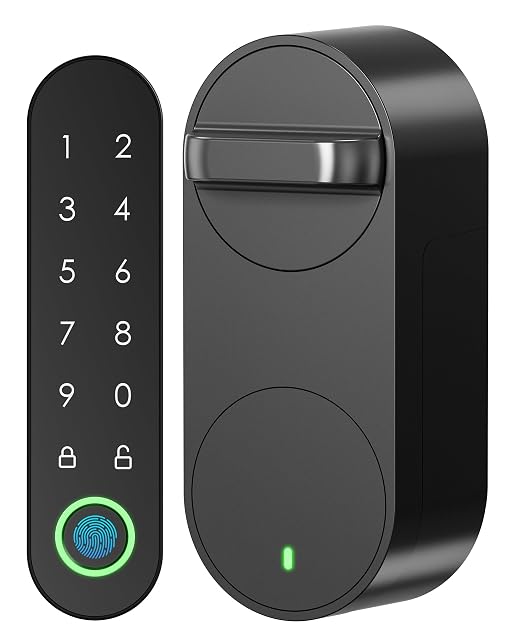
Retrofit · fingerprint, app and Bluetooth · magnetic auto-lock · 6 cells · no drilling
A retrofit lock that mounts over an existing cylinder with no drilling and no cylinder change. Signstek states fingerprint, app and Bluetooth access, magnetic auto-locking, and six batteries; the existing key still works from outside.
Best for: A first smart lock, and particularly a rented apartment where nothing may be altered.