Skip to content

KESSER

A safe designed around how it fails: external batteries and three double bolts

The KESSER safe in this catalog contains a piece of design thinking worth naming.

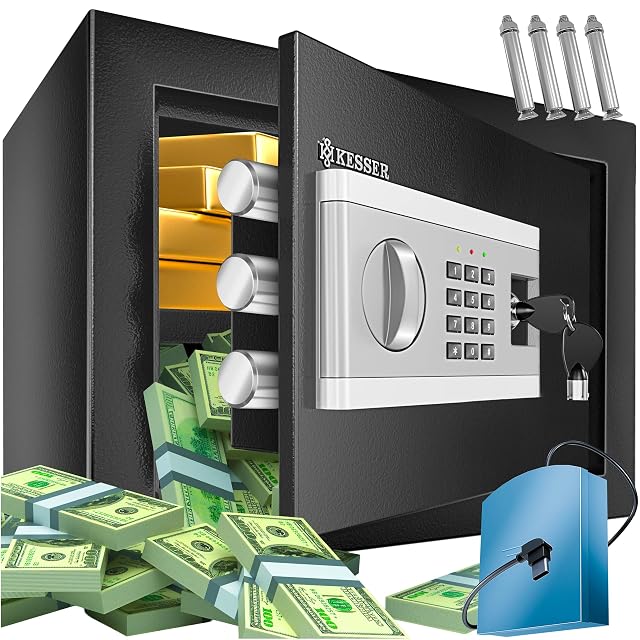
The external battery box

The commonest way an electronic safe fails is undramatic: the internal cells go dead, the keypad stops responding, and the override key is inside the safe.

KESSER supplies a box that powers the keypad from outside so the safe opens normally. That is a manufacturer thinking about how its product actually fails rather than about how it is specified, and it is worth more than most figures in the safe hub.

The same safe has three double bolts rather than one, spreading engagement across the door, and a 130 dB alarm on tampering or three wrong codes — useful in an occupied house and a noise in an empty one.

What is not published

The safe’s wall thickness: only the door is stated, at 4 mm (0.16 in).

Every KESSER product we have reviewed

  • KESSER Electronic Safe 35 × 25 × 25

    35 × 25 × 25 cm (13.8 × 9.8 × 9.8 in) · 3 double steel bolts · 130 dB tamper alarm · external battery box

    KESSER states three double steel bolts, a 130 dB alarm that fires on tampering or after three wrong codes, and an external battery box so a flat internal cell does not lock you out.

    Best for: Someone who wants the safe to make a noise rather than sit silently while it is worked on.

    7.5/10

    ≈ $170