Skip to content

Ring Indoor Cam (2nd gen) vs GNCC P5W

Ecosystem and simplicity, or resolution and no monthly fee?

These two are bought by different households. One already owns Ring and wants the indoor camera to behave like the rest of it. The other wants the most camera for the money and no recurring bill.

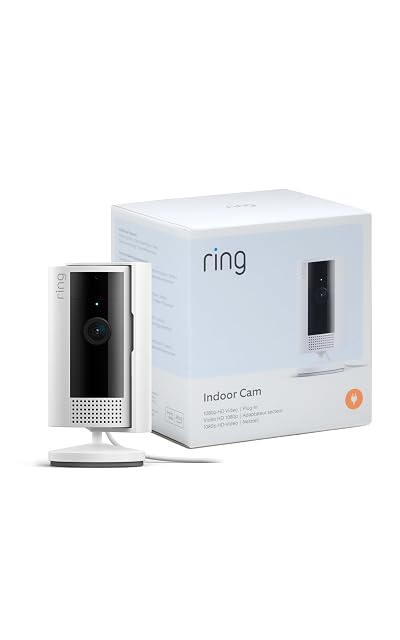
Ring Indoor Cam second generation with its privacy cover open

Ring Indoor Cam (2nd gen)

7.8/10

Wins 2 of 9

Check price

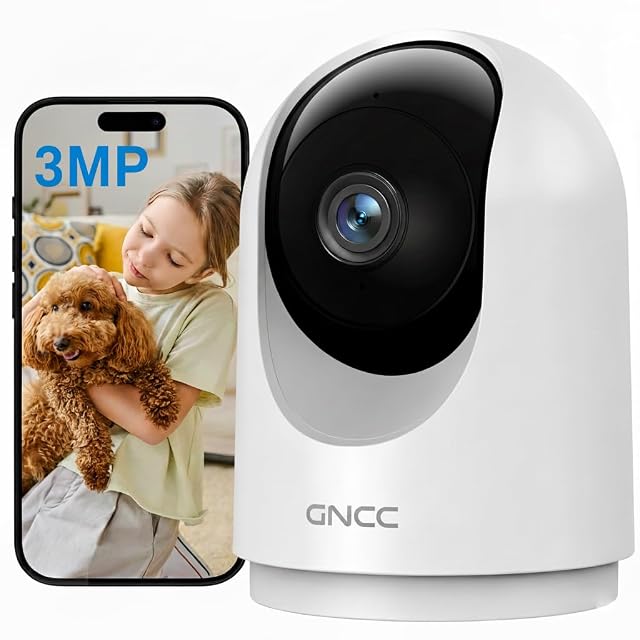
GNCC 2K indoor pan-and-tilt camera on a shelf

GNCC P5W

7.2/10

Wins 5 of 9

Check price

≈ $10

The count and the ratings point different ways here. GNCC P5W wins more rows below, and Ring Indoor Cam (2nd gen) carries the higher rating. The count weighs every row equally; the rating comes from each product's own page and weighs what the product is for rather than how many claims it wins. Read the rows, not the totals.

Claim against claim

Compared on Indoor Cam (2nd gen) P5W
Resolution 1080p 2K
Movement Fixed, 140° field 355° pan, 60° tilt
Privacy Manual cover that also cuts the microphone Physical shutter
Wi-Fi bands Not stated 2.4 and 5 GHz
Night vision Stated, no range published 6 infrared LEDs
Storage Cloud only, on a plan microSD 24/7, or optional cloud
Audio Two-way with noise cancellation Two-way
Detection Motion and sound Motion and sound
App Ring, integrated with the rest Standalone
Listed on amazon.com Yes Yes

A tick marks the better answer on that line only. Counting ticks does not decide the page — the two verdicts below do, because these products answer different questions.

Which of the two, for which home

Buy the Ring Indoor Cam (2nd gen)

Prefer the Ring if the house already runs on Ring. One app for the doorbell, the alarm and the cameras is worth a resolution step and a monthly fee to a lot of households.

Buy the GNCC P5W

Buy the GNCC if this is a standalone camera. More resolution, it moves, it records to a card, and nothing about it expires.

The questions we are asked

What does a manual privacy cover actually do?

It physically blocks the lens, and anybody in the room can see that it is closed; the Ring’s also cuts the microphone. It is a different kind of assurance from a setting in an app, and it is what sets these two apart from the other indoor cameras in this hub, which state none.

Does an indoor camera need to pan?

In a large or open-plan room, yes — a fixed camera in a corner sees a third of it. In a hallway or by a back door, no: a fixed camera never misses its own scene, and there is nothing to go wrong mechanically.

The full page for each

  • Ring Indoor Cam (2nd gen)

    1080p · 140° field of view · manual privacy cover · plug-in

    A small plug-in indoor camera with a sliding cover you move by hand. Ring states 1080p, a 140° field of view, two-way audio with noise suppression and video history of up to 180 days on a subscription.

    Best for: A household already using Ring doorbells or alarms, where one app for everything is worth more than the specification.

    7.8/10

  • GNCC P5W

    2K · 355° pan, 60° tilt · 6 IR LEDs · privacy shutter · 2.4/5 GHz

    The cheapest camera in this hub with a physical privacy shutter. GNCC states 2K resolution, a 355° sweep, six infrared LEDs and both motion and sound detection, with recording to card or to an optional cloud plan.

    Best for: A first indoor camera, or a second one for a room where the cost of losing it matters more than the picture.

    7.2/10

    ≈ $10