Skip to content

Steinel XLED Home 2 S vs Brennenstuhl JARO 3060 P

Precise aiming, or a simpler installation and more output?

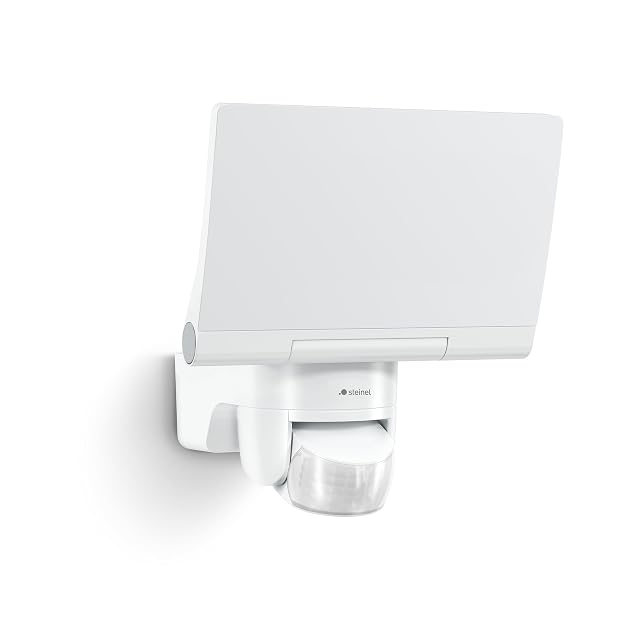
Steinel has made motion sensors for decades and it shows in the aiming: panel and sensor set separately, which is the only way both end up pointing where they should. Brennenstuhl answers with more light — 2,300 lumens stated against 1,550 — and a connection you can make on a ladder in thirty seconds.

Steinel XLED Home 2 S adjustable floodlight in white

Steinel XLED Home 2 S

8.1/10

Wins 3 of 8

Check price

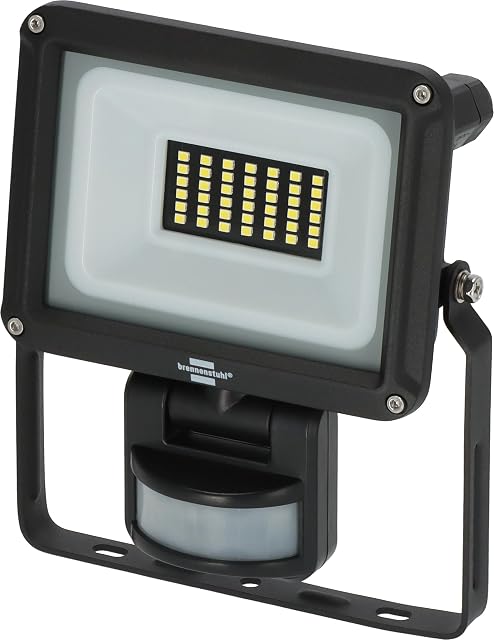
Brennenstuhl JARO LED floodlight with motion sensor

Brennenstuhl JARO 3060 P

7.5/10

Wins 2 of 8

Check price

≈ $100

Claim against claim

Compared on XLED Home 2 S JARO 3060 P
Power draw 13.7 W 20 W
Output 1,550 lm 2,300 lm
Detection 180° up to 10 m (33 ft) 10 m (33 ft), adjustable sensitivity
Aiming Panel swivels up to 180°, sensor aimed separately Not stated
Settings Timer 8 s to 35 min, threshold 2 to 2,000 lx Sensitivity
Color temperature Warm white 3000 K Not stated
Terminals Not stated Tool-free spring terminals
LEDs 50,000 h life stated Everlight SMD
Listed on amazon.com Yes Yes

A tick marks the better answer on that line only. Counting ticks does not decide the page — the two verdicts below do, because these products answer different questions.

Which of the two, for which home

Buy the Steinel XLED Home 2 S

Buy the Steinel where the light goes on a front elevation and both the beam and the sensor need to point somewhere specific. Precision is what you are paying for.

Buy the Brennenstuhl JARO 3060 P

Buy the Brennenstuhl for a side passage or a yard, where more output matters more than aiming and where the spring terminals turn an awkward five minutes on a ladder into thirty seconds.

The questions we are asked

Why should the sensor aim separately from the light?

Because they want to point in different directions. The beam should cover the approach; the sensor should sit across it, since PIR sensors detect movement crossing their field far better than movement towards it. On lights where both are fixed to one bracket, one is always compromised.

Is fitting one of these a job for an electrician?

Wiring a fixed floodlight on an outside wall is permit work in most American jurisdictions, under the National Electrical Code and your own city's rules. Easy terminals do not change who is permitted to do it — check before you buy, not after.

The full page for each

  • Steinel XLED Home 2 S

    13.7 W · 1,550 lm · 180° sensor to 10 m (33 ft) · fully swivelling panel · white

    A fully adjustable spot: Steinel states 1,550 lumens from 13.7 watts, a 180 degree sensor reaching 10 meters (33 ft), and an LED panel that swivels freely in any direction.

    Best for: A specific thing to light — a doorway, a gate, a parking space — rather than a whole area.

    8.1/10

  • Brennenstuhl JARO 3060 P

    20 W · 10 m (33 ft) detection, adjustable sensitivity · Everlight SMD LEDs · tool-free spring terminals

    Brennenstuhl states 2,300 lumens, a 10 meter (32.8 ft) detection range with adjustable sensitivity, named Everlight SMD emitters, and spring terminals that need no tools to wire.

    Best for: Anybody wiring the light themselves — the tool-free terminals genuinely change the job.

    7.5/10

    ≈ $100