Skip to content

Tapo C200 vs Reolink E1 (4 MP)

Is the extra worth it for a camera pointed at a living room?

The C200 is a widespread, inexpensive pan-and-tilt indoor camera. The E1 is what you buy when 1080p and a 128 GB ceiling stop being enough — usually because the room is large, or because the camera watches a whole room rather than a corner of one.

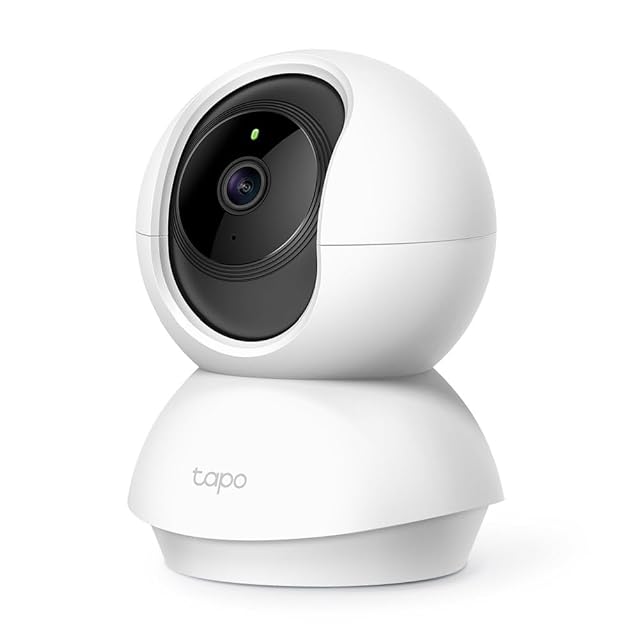
Tapo C200 indoor pan-and-tilt camera on a table

Tapo C200

7.8/10

Wins 2 of 9

Check price

≈ $56

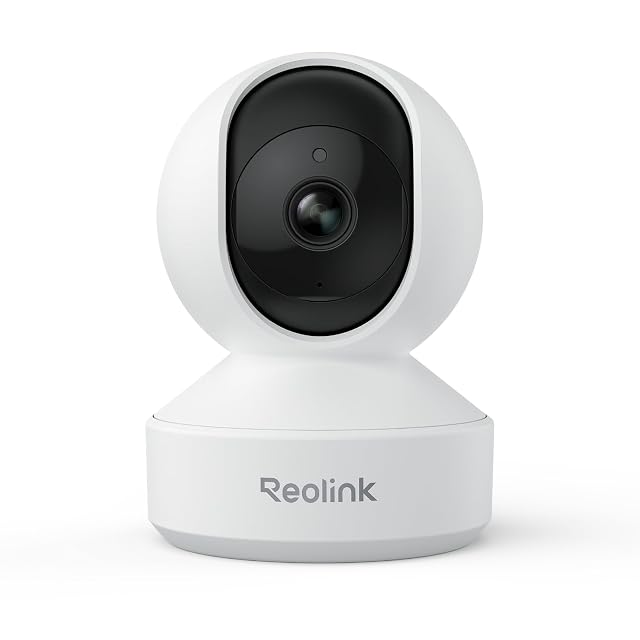
Reolink E1 indoor pan-and-tilt camera

Reolink E1 (4 MP)

7.8/10

Wins 5 of 9

Search Amazon

Claim against claim

Compared on C200 E1 (4 MP)
Resolution 1080p 4 MP 2K
Coverage 360° pan, 114° tilt 355° pan
Night vision Infrared, stated up to 9 m (30 ft) Infrared, range not stated
Two-way audio Yes Yes
Storage microSD up to 128 GB, or Tapo Care microSD up to 512 GB, Reolink NVR or Home Hub
Tracking Not stated Auto-tracking
Extra detection Not stated Crying detection
Sharing Not stated 10 users, 4 simultaneous viewers
Lens cover Not stated Not stated
Listed on amazon.com Yes No

A tick marks the better answer on that line only. Counting ticks does not decide the page — the two verdicts below do, because these products answer different questions.

Which of the two, for which home

Buy the Tapo C200

Prefer the C200 for a hallway, a corner or a second room. It is enough, it is cheap enough to have several, and the 9 m (30 ft) infrared figure is honest about the room size it suits.

Reolink E1 (4 MP)

No amazon.com listing was found for this one. We hold references for other markets but none for the United States, so it may not be buyable here — which is the first thing to weigh against anything below.

Buy the E1 for the main room, where you want to be able to see a face rather than a figure, and where a 512 GB card means weeks of history rather than days.

The questions we are asked

Does an indoor camera need a lens cover?

It needs something anybody in the room can check. Neither of these states a mechanical cover; in this hub, the GNCC P5W, the Ring Indoor Cam 2 and the Tapo C200P2 offer one. Either way, people who live or work in your home should know a camera is recording, and bathrooms and guest bedrooms stay out of frame.

What does the 9 m infrared figure tell me?

How far the camera sees usefully in the dark. Nine meters (30 ft) covers an ordinary room corner to corner and does not cover an open-plan ground floor. The Reolink states infrared without a range, which is why the Tapo wins that row.

The full page for each

  • Tapo C200

    1080p · 360° pan, 114° tilt · 9 m (30 ft) IR · microSD to 128 GB

    A motorized indoor camera, sold cheaply for years. TP-Link states 1080p, a 360° sweep and night vision to 9 m (30 ft), with recording to a microSD card of up to 128 GB and no subscription required to use it.

    Best for: A room that needs watching cheaply, with recording kept on a card rather than on somebody else's server.

    7.8/10

    ≈ $56

  • Reolink E1 (4 MP)

    4MP 2K · 355° pan · auto-tracking · cry detection · microSD to 512 GB

    Reolink states 4 MP, a 355° sweep with auto-tracking, and detection that includes a crying child. Recording goes to a card of up to 512 GB, to a Reolink NVR or to the maker's own hub, with no monthly fee for local storage.

    Best for: A room where the camera should follow what moves — a child's room, a workshop, a hallway with several doors.

    7.8/10