Pet immunity is a stated weight limit, and it is measured at floor level · review
TECKNET TK-HA001 review
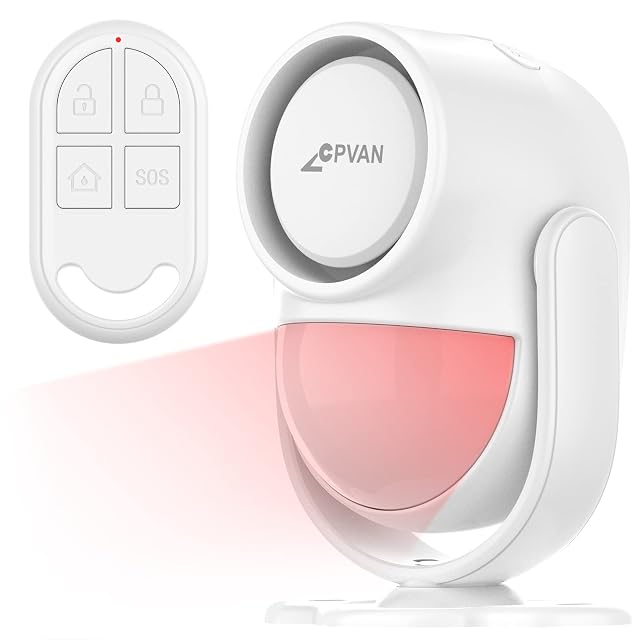
A standalone PIR alarm that needs no hub: 125 dB, a 120° detection field, a remote control, and a switch between doorbell mode and alarm mode. It runs on batteries or USB-C.
The conclusion The right tool for a shed or a shop doorway. It tells the room, not you.
Not everything needs a hub. A garage, a shed, a stockroom or a shop counter
needs a noise when somebody walks in, and this makes one.
Two modes, one device
A chime for announcing arrivals, and a 125 dB alarm for when the place is
locked. A shop or a workshop uses the first all day and the second overnight,
which means the device is in use continuously rather than sitting armed and
forgotten.
What it cannot do
Tell you. There are no notifications, no log and no app. If it triggers while
you are elsewhere, the sound happens and nothing is recorded. That is the
defining limit of a standalone alarm and the reason it complements a system
rather than replacing one.
Placement, which is the whole installation
A 120° PIR field, and the same rule as everywhere: mount it so people cross
the field rather than walk directly at it. PIR sensors detect movement across
their zones far more reliably than movement towards them, and a sensor facing
straight down an approach is a sensor that triggers late.
Keep it off walls carrying radiators and away from direct sun through glass.
Power
Batteries or USB-C. In a garage with an outlet, run it on the cable and forget it.
What the listing specifies
TECKNET states an 8 m (26 ft) detection range, a body that rotates through 360°, a light that flashes when triggered and three sound levels: 90, 110 and 125 dB. The remote reaches up to 100 m (328 ft) in open ground, arms, disarms and switches modes, and its SOS button sets off the alarm from a distance. The warranty is 36 months for registered users.
Who it suits
An outbuilding, a workshop, a shop doorway.
Availability
Listed but with no offer on the American Amazon store — the reference exists there and nobody is currently selling it.
Prices and availability are what Keepa reported on the date this page was updated; both move.
What reassures, and what does not
Strengths
Completely standalone — no hub, no app, no account
Switches between a chime and a 125 dB alarm with one button
120° detection field published
Battery or USB-C power
Compromises
No notifications — it makes a noise where it is, and nothing else
At the 125 dB setting, painful at close range indoors; 90 and 110 dB are also offered
A remote is one more thing to lose
No app means no log of what happened while you were out
Specifications
Sound
125 dB, stated by TECKNET
Detection
PIR, 120° field
Modes
Doorbell chime or alarm, switchable
Control
Remote control supplied, range up to 100 m (328 ft) in the open; SOS button
Power
Battery or USB-C
Range
Detection to 8 m (26 ft); body rotates 360°
Volume
Three levels: 90, 110 and 125 dB; flashing light
Warranty
36 months for registered users
Amazon reference
B0FM3NRP8W
EAN
5056243642960
The questions we are asked
Why choose a standalone alarm?
Because for a garage, a shed, a stockroom or a shop counter, a hub, an app and an account are all overhead for a job that needs a noise when somebody walks in. There is nothing to configure, nothing to update and nothing to subscribe to.
What is doorbell mode for?
Announcing arrivals rather than deterring them. In a shop or a workshop, a chime when somebody crosses the doorway is genuinely useful all day; the same device switches to a 125 dB alarm when you lock up. That dual use is the reason to buy this rather than a plain alarm.
Will I know if it triggered while I was away?
No. It has no notifications and no log. It makes a noise where it is, and if nobody is there to hear it, nothing is recorded. That is the fundamental limit of standalone devices, and it is why they belong alongside a system rather than instead of one.
Our score
8.1/ 10
The right tool for a shed or a shop doorway. It tells the room, not you.
What this one costs among motion detectors
A reference exists on these Amazon stores: France, Germany, Italy, Spain, United States. Listed is not the same as in stock — availability changes daily.
Details checked on September 2, 2026.
The buyer this one serves, among security devices
A garage, a shed or a shop doorway where a whole system would be absurd.
Specifications: the manufacturer sheet for home security products and the matching Amazon product page. Prices and availability: Keepa. Every figure on this page names its source.
4–5 m (13 to 16 ft) × 110° PIR · 110 dB · 58 melodies, 5 volumes · 20 sensors per receiver
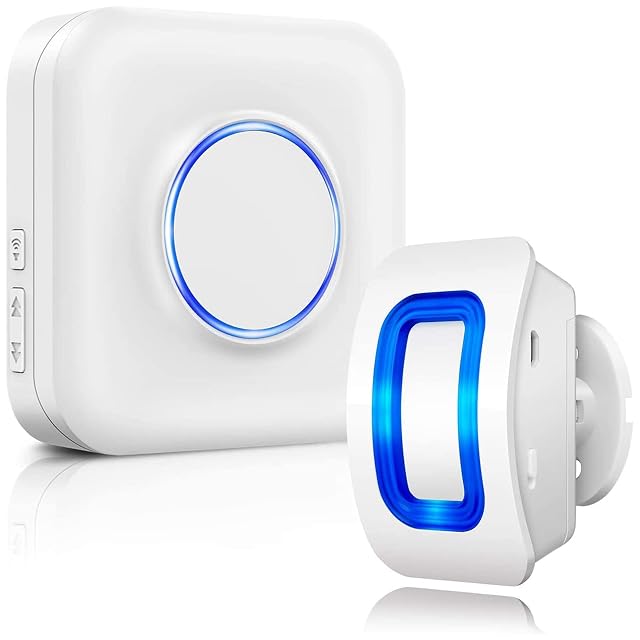
A driveway alarm expandable to twenty sensors on one receiver, with 58 melodies and five volume levels. BITIWEND states a 4 to 5 meter (13.1 to 16.4 ft) detection range across 110 degrees.
Best for: A property with several entrances that should each announce themselves differently.
Standalone PIR · 125 dB · remote control · low-battery warning · not compatible with the CP8
A standalone PIR alarm with a remote, from a maker with a decade in detection. CPVAN states a low-battery warning that ticks periodically, and is explicit that the CP2 does not work with its Wi-Fi CP8.
Best for: A shed, garage or storeroom where the alarm should warn you before its battery dies.
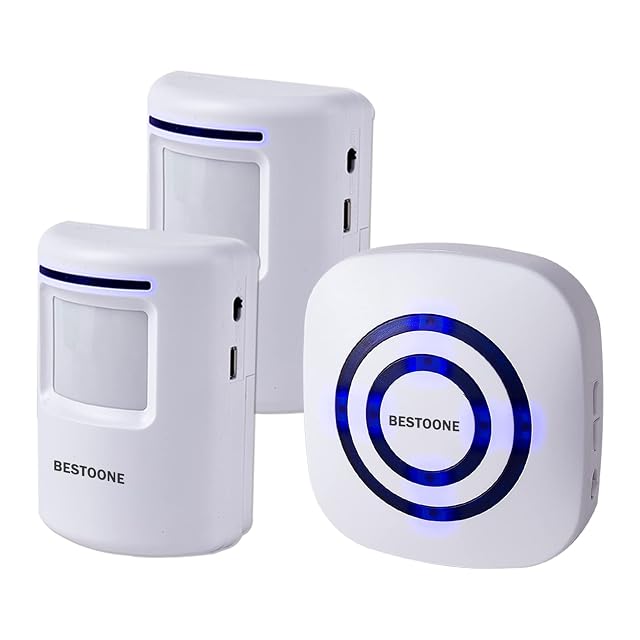
Two sensors and one alarm unit · 300 ft radio to the receiver, detection about 20 ft — both published, and labeled · 38 ringtones with 3 volumes AND A SILENT LED-ONLY MODE, the only silent option on this shelf · 2 sets of mounting screws · AAA not included · not waterproof
The only detector here with a silent mode — a light and no sound — and one of the few that separates its radio range from its detection range on the same page.
Best for: A household with a sleeping baby or a shift worker, where the alert must be visible and not audible