HUXGO appears four times, and the reason is a single specification.
4G rather than 2G
An alarm’s cellular path exists so that cutting the broadband does not silence the system. The TUGARD in this hub provides that path over 2G only — which the major American carriers have already shut down, so in the United States that path is gone rather than going.
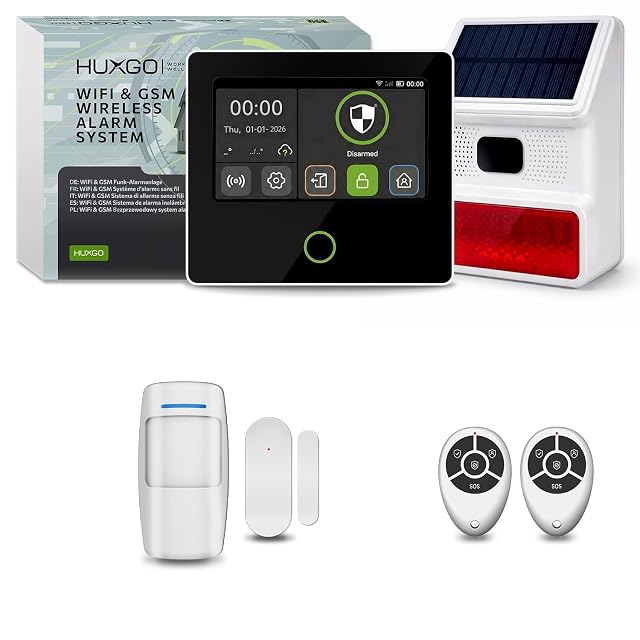
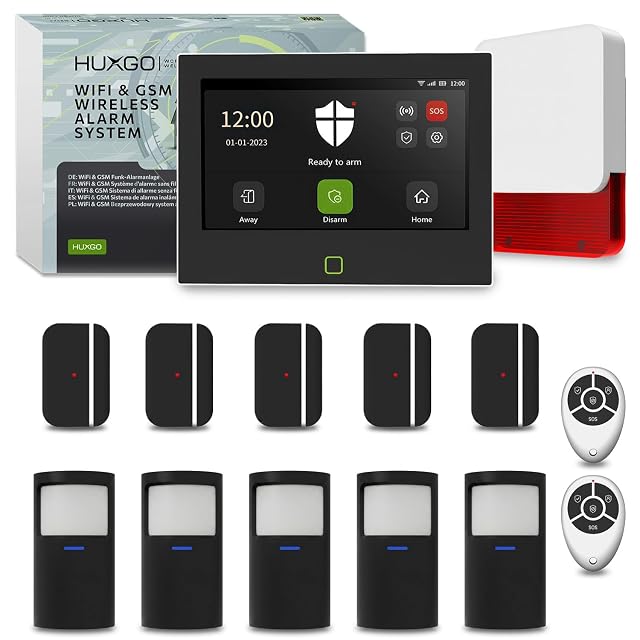
A 2G fallback with an expiry date is a feature you buy once and lose. HUXGO’s kits use 4G, which will stay in service far longer.
The cost is a SIM with its own small monthly plan. That is the running cost of the feature and it belongs in the comparison from the start.
The sirens
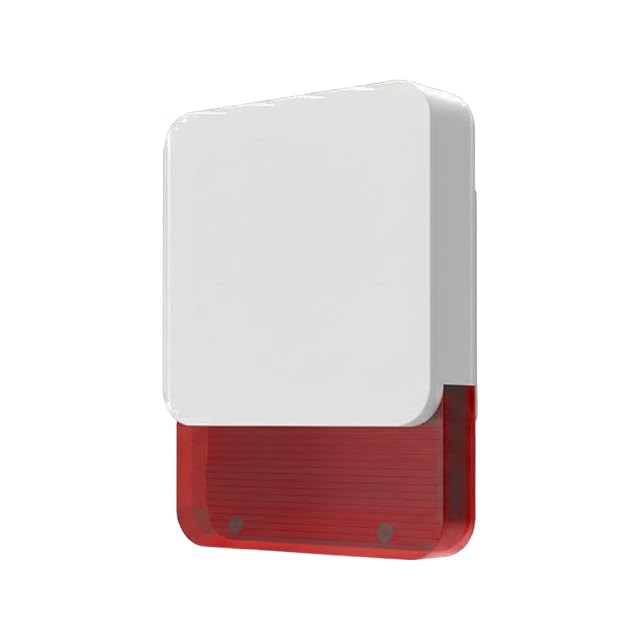
The HXA-SB120 has a wired NC input as well as 433 MHz wireless, which takes it out of the proprietary trap that makes siren shopping frustrating — it will connect to almost any panel with a spare output, including other brands.
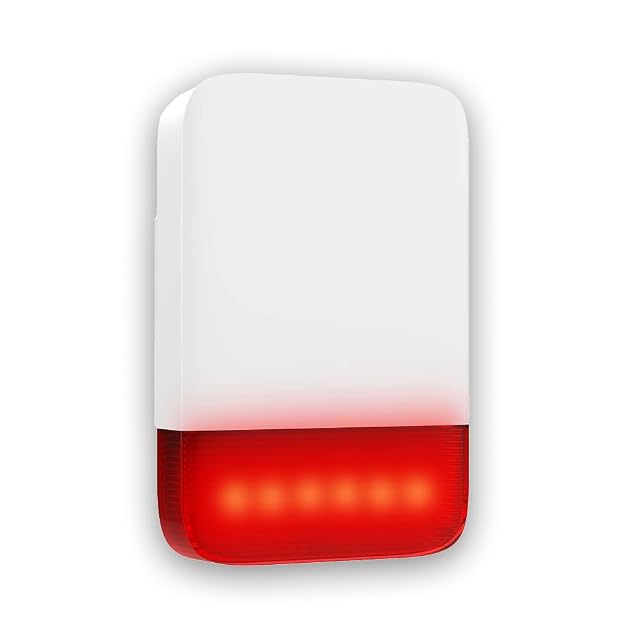
The HXA-SB300 carries a 5000 mAh backup cell, five times the HXA-SB120’s 1000 mAh, which is how long it can keep sounding after somebody has pulled the fuse.
What is not published
Any standard or certification, on any of the four. These are consumer kits sold on contents.
Before ordering from the US
Only the HXA-SB120 siren is listed on Amazon US. The two kits and the HXA-SB300 are sold on the European Amazon stores, and the listings do not state which LTE bands the kits’ modems support, so check them against your carrier before relying on the 4G path.
Before ordering from the US
Only the HXA-SB120 siren is listed on Amazon US. The two kits and the HXA-SB300 are sold on the European Amazon stores, and the listings do not state which LTE bands the kits’ modems support, so check them against your carrier before relying on the 4G path.