The conclusion Two dollars an alarm, with the dimensions and the weight published — which sounds minor and is the figure that decides whether five of them actually fit your frames, and only one other listing here gives it. A clear three-step install, an on/off switch and 90 decibels. Budget for ten AAA cells that are not in the box, and read the Wireless in the title as no cable rather than no silence: nothing reaches a phone.
What the maker puts in writing
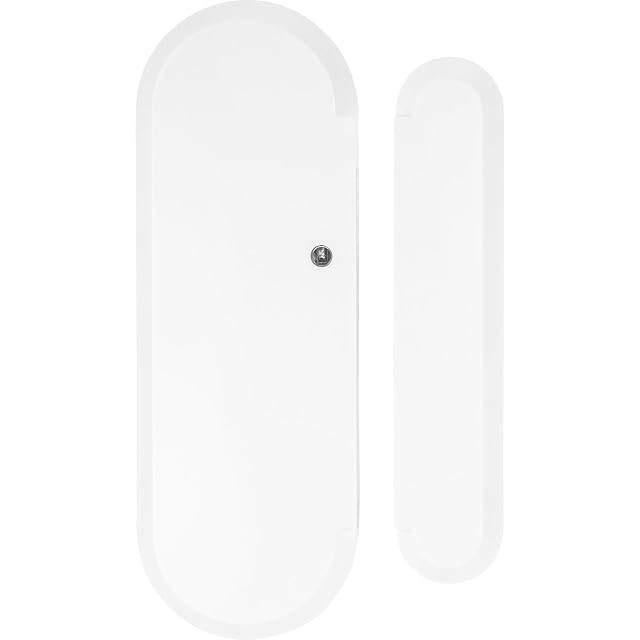
90dB alarm, high-quality magnetic sensor, 5-pack
3 steps: insert 2 AAA batteries (not included), peel and stick, turn on the switch
Approximately 3.54” × 1.18” × 0.79” · weighs about 0.08 lb
Home, apartment, office, garage, hotel · monitoring kids, pets, or preventing access to dangerous areas
Attaches to door knobs, window frames, or can be carried
No gap figure. No battery life. No tamper detection. Nothing about metal frames.
A size, which is rarer here than it should be
Three point five four by one point one eight by nought point seven nine inches.
The commonest failure on this shelf is a sensor that will not physically fit: the
body has to sit on the frame without the window closing onto it.
At least two of the twelve listings here publish a size. This is the deeper of the two —
0.79 inches against 0.6.
Hold a ruler against the frame face before ordering five of anything.
Two dollars, and that is enough
Because there is almost nothing in it.
A reed switch, a magnet, a piezo buzzer, a slide switch. No radio, no processor,
no calibration.
Two dollars buys the same four parts a ten-dollar unit has.
What more money buys on this shelf is loudness, supplied cells, and published
figures: the 125 dB unit has three modes, batteries in the box and a thirteen-month
life, at nearly seven dollars each.
Ten AAA cells
Not in the box, on a ten-dollar purchase.
Two per unit, five units. Buy them at the same time or the pack is decoration.
Wireless means no cable
Not a message.
No radio, no app, no hub. If the house is empty when the window opens, the alarm
sounds to an empty house and whoever is outside hears it.
That is a deterrent. It is not a notification.
At least five of the twelve sensors here are built this way. The two that reach a phone are
the Ring sensors, with an account behind them.
Availability
On sale at around $10 on the American Amazon store at the time of checking.
Prices and availability are what Keepa reported on the date this page was updated; both move.
Prices quoted in this text were read on October 8, 2026. The live price is at the top of the page.
What reassures, and what does not
Strengths
Dimensions and weight both published
Two dollars per alarm
A three-step installation written out in order
An on/off switch, so it disarms without peeling off
Stated for cabinets and dangerous areas as well as windows
Light enough at 0.08 lb for adhesive to hold on a sash
Compromises
Two AAA cells per unit, none supplied
No gap tolerance
No battery life figure
0.79 in of body depth, the deepest of the two published here
It alerts nobody remotely
90 dB, the quietest tier on this shelf
Specifications
Supplied
Five alarms, stated, at ten dollars — two dollars each. The pack sizes on this shelf run from four to fifteen, and five is the commonest
Dimensions
Approximately 3.54 × 1.18 × 0.79 in and about 0.08 lb — both stated. At least two of the twelve listings on this shelf publish dimensions, and this is the larger of the two bodies: 0.79 in of depth needs a frame face that will take it without fouling the sash
Type
A standalone alarm: the magnetic sensor triggers a 90 dB siren in the unit itself, and nothing is reported remotely. No app, no radio, no base station — Wireless in the title means no cable to run
Volume
90 dB, stated
Power
Two AAA cells per unit, stated NOT included. Five units is ten cells to buy
Mounting
A three-step install written out: insert two AAA cells, peel and stick, turn on the switch — stated, with no tools needed
Applications
Home, apartment, office, garage and hotel, stated, and named for monitoring children and pets or preventing access to dangerous areas as well as burglary. Stated to attach to door knobs, window frames or be carried
Gap tolerance
Not published. One listing on this shelf publishes 0.6 in, and this shelf's introduction calls the figure decisive
Tamper
Not published
Metal frames
Not published
Amazon reference
B0GTQ2S5MW
EAN
0717813252020
The questions we are asked
Why do the dimensions matter?
Because the commonest failure on this shelf is a sensor that will not physically fit. The body has to sit on the frame or the sash without the window closing onto it, and 3.54 inches of length plus 0.79 of depth is a substantial object on a narrow vinyl frame. This is one of only two listings here that publish a size; the other is slimmer at 0.6 inches deep. Hold a ruler against the frame face you intend to use before ordering five of anything, and note that this shelf's buying tip asks you to test the gap before peeling the adhesive as well.
Is two dollars per alarm too cheap to work?
No, because there is very little to it. A contact alarm is a reed switch, a magnet, a piezo buzzer and a slide switch — there is no radio, no processor and no sensor calibration, so two dollars buys the same four parts a ten-dollar unit has. What price does change is the loudness, the battery arrangement and whether anything is published: the 125 dB unit on this shelf has three modes, supplied cells and a thirteen-month life figure, and costs nearly seven dollars each. At two dollars you get 90 dB and dimensions.
Will it tell me when I am out?
No. There is no radio in it, no app and no hub, and the Wireless in the title means there is no cable to run rather than that anything is transmitted. If the house is empty when the window opens, the alarm sounds to an empty house and whoever is outside hears it — which is a deterrent and not a notification. At least five of the twelve sensors on this shelf are built this way. The two that message a phone are the Ring sensors, at ten and thirteen dollars each with an account behind them.
Against the rest of the door and window sensors
Between security devices of the same category and nearby price. Shown: what they all state. A half-filled column says nothing.
Model
Price
Type
KOLODOGO Door and window alarm, 5-pack, 90 dB, 3.54 × 1.18 × 0.79 in
$10
A standalone alarm: the magnetic sensor triggers a 90 dB siren in the unit itself, and nothing is reported remotely. No app, no radio, no base station — Wireless in the title means no cable to run
A standalone alarm, not a system sensor: the two parts separate, the unit screams at 90 dB where it is fitted, and nothing is reported anywhere else. The word Wireless in the title means no cable to run, not a radio link
A standalone alarm with a magnetic sensor: it sounds where it is fitted and reports nothing remotely. No app, no radio, no base station
What separates the models, in security devices
If price decides: this model, at $10.
What this one costs among door and window sensors
Details checked on October 8, 2026.
The buyer this one serves, among security devices
Five openings on a tight budget, where the body has to be measured against a shallow frame first
What buyers actually choose
Amazon reports what buyers took in the month before this page was last checked: at least 50.
The figure is a floor, rounded by Amazon, and read through Keepa — it says what buyers picked, not what a maker claims.
Sources
Specifications: the manufacturer sheet for home security products and the matching Amazon product page. Prices and availability: Keepa. Every figure on this page names its source.
For Smartvest Pro · wireless opening detector · triggers configured scenarios · doors and windows
The opening detector for ABUS's Smartvest Pro alarm. It reports unauthorized opening of doors, windows and patio doors, and triggers whatever scenarios have been configured on the panel.
Best for: An ABUS Smartvest Pro system being extended door by door.
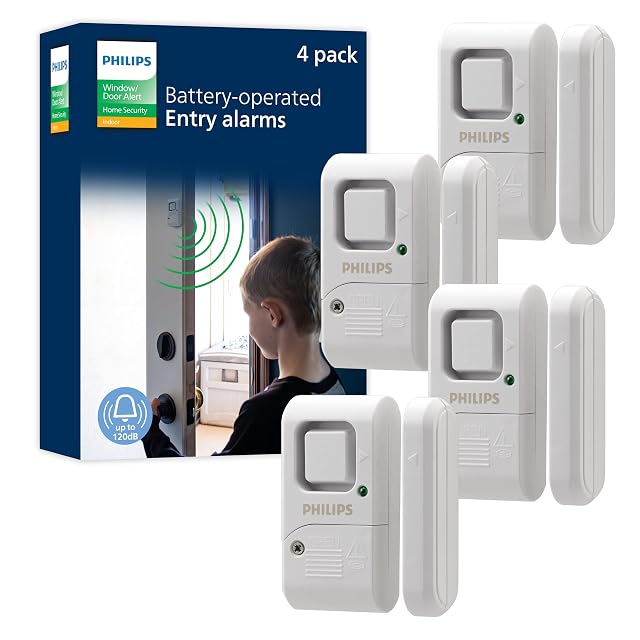
120 dB alarm or chime, switched on the side: OFF / chime / alarm · 4 LR44 cells SUPPLIED · a battery TEST BUTTON and a low-battery LED, the only test button on this shelf · double-sided tape included · no gap figure, no battery life, no tamper detection
The only sensor here with a button that tells you the battery is still good — which on an alarm nobody checks is worth more than it sounds.
Best for: A household that wants a chime for the back door in the day and an alarm on it at night
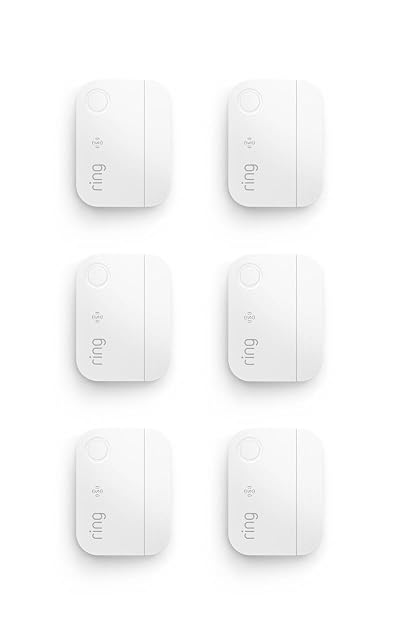
NO BASE STATION REQUIRED — connects over Amazon Sidewalk, the only named network on this shelf · six sensors · 24/7 professional monitoring on a subscription · no battery type, no battery life, no gap figure, no tamper detection
The only sensor on this shelf that needs no hub at all — and the only one that names the network it talks to.
Best for: A house with no alarm system that wants phone alerts on six openings and nothing else to buy