The conclusion Sub-1G radio that eufy states reaches across the yard, not just the house, is the right technology for a device that lives in a cellar or an outbuilding — and freeze detection plus one replaceable cell for two years makes it the easiest sensor here to maintain. The condition is plain in the title: a HomeBase 2 or 3 is required and not included, which makes this an excellent addition to a eufy household and a system purchase for anyone else. No siren, and IP65 rather than IP67.
What the maker puts in writing
Notifications if water is detected or if the temperature drops below freezing
“Sub-1G connectivity ensures a stable connection to HomeBase 2 or 3 all around the home and yard.”
A single replaceable battery lasts up to 2 years
IP65 waterproof · HomeBase required, compatible with HomeBase 2 and 3
Optional 24/7 protection service · links to the eufy Security app, battery status visible
No siren of its own. No shut-off valve. No probe. No cable.
Sub-gigahertz, and the yard
Which is the claim that matters.
A leak sensor lives under a floor, behind an appliance, at the back of a cellar or
in an outbuilding. The worst radio positions in a property.
A sensor that cannot reach its hub reports nothing at all.
Sub-1G penetrates masonry and travels further than 2.4 GHz for the same power,
which is why eufy can say all around the home and the yard.
That yard claim is the distinguishing one. A garden tap, a greenhouse, a detached
garage — inside it. Most Wi-Fi sensors are not.
The HomeBase decides the price
And it is not in the box.
A household already running a eufy alarm or eufy cameras has one fitted. Then this
is a thirty-five dollar sensor that appears in the same app as everything else —
the best case on this shelf, because one hub and one app genuinely beats four.
For anyone else it is a system purchase. The no-hub detectors on this shelf start
at eighteen dollars.
eufy states the requirement in the title. Two other hub-dependent detectors here
do not.
One cell, two years
The easiest maintenance on this shelf, and the shortest life on it.
Four detectors here publish a runtime. Two claim five years — one sealed, one on
two AAA cells.
This is two years on a single replaceable battery, with the level visible in the
app.
Shorter, and simpler.
IP65, not IP67
Which is the question to ask about placement.
IP65 is dust-tight and resists water jets: rain, spray, a mopped floor.
It does not mean immersion. A sensor on a cellar floor during the kind of leak you
bought it for may end up underwater, and two detectors on this shelf are rated
IP67 for exactly that.
The practical answer is a plinth or a joist: detect the water arriving without
sitting in the pool you are reporting.
Availability
On sale at around $35 on the American Amazon store at the time of checking.
Prices and availability are what Keepa reported on the date this page was updated; both move.
Prices quoted in this text were read on October 8, 2026. The live price is at the top of the page.
What reassures, and what does not
Strengths
Sub-1G radio stated to reach across the yard, not just the house
Freeze detection as well as water
One replaceable battery, the easiest maintenance here
IP65 and two years, with battery status in the app
An optional professional monitoring service
It joins an existing eufy alarm rather than being a separate app
Compromises
A HomeBase 2 or 3 is required and not included
No siren of its own
Two years, the shortest published life on this shelf
IP65 rather than IP67: it is not rated for immersion
No shut-off valve integration
Thirty-five dollars for one sensor
Specifications
Requires
A eufy HomeBase 2 or HomeBase 3, stated and NOT included. Three detectors on this shelf need a hub that is not in the box; this is the one whose hub is also the household alarm, so a eufy owner already has it and anyone else is buying a system rather than a sensor
Connection
Sub-1G connectivity, stated to ensure a stable connection to HomeBase 2 or 3 all around the home AND THE YARD. Sub-gigahertz penetrates walls and reaches outbuildings where Wi-Fi does not, and the explicit mention of the yard is the useful part — a garden tap, a greenhouse or a detached garage is inside the claim
Detection
Water, and temperature dropping below freezing — stated. Freeze detection is the half that prevents the burst rather than reporting it, and at least three of the fourteen detectors on this shelf have it
Battery
A SINGLE replaceable battery lasting up to 2 years, stated. Two years is the shortest of the four published lives on this shelf, and replaceable with one cell is the easiest maintenance on it: the five-year detectors here are sealed or take two AAA
Ratings
IP65, stated. Dust-tight and protected against water jets, which is a step below the IP67 on two detectors here — IP65 will not survive being submerged, and a sensor on a cellar floor during a real flood may be
Alerting
Remote only: instant notifications through the eufy Security app if water is detected or the temperature drops, with battery status visible. No siren of its own — the sound, if any, comes from the HomeBase
Monitoring
An optional 24/7 protection service, stated. One of two detectors on this shelf with a professional monitoring option
Sensing element
Base contacts: place it anywhere you want to detect water. No probe and no cable, where one detector on this shelf supplies 5 ft of cable extendable to 500
Shut-off valve
Not published. At least three of the fourteen detectors here name a valve
Amazon reference
B0CHM645Z6
EAN
0194644168834
The questions we are asked
Why does Sub-1G matter for a leak sensor?
Because of where these devices have to live. A leak sensor goes under a floor, behind an appliance, at the back of a cellar or in an outbuilding — the worst radio positions in a property — and a sensor that cannot reach its hub reports nothing at all. Sub-gigahertz radio penetrates masonry and travels further than 2.4 GHz for the same power, which is why eufy can claim coverage all around the home and the yard. That yard claim is the distinguishing one: a garden tap, a greenhouse or a detached garage is inside it, and most Wi-Fi sensors are not.
What does needing a HomeBase really cost?
It depends entirely on whether you have one. For a household already running a eufy alarm or eufy cameras, the HomeBase is fitted and this is a thirty-five dollar sensor that appears in the same app with everything else — which is the best case on this shelf, because one app and one hub is genuinely better than four. For anyone else it is a system purchase, and the detectors here that need no hub at all start at eighteen dollars. eufy states the requirement in the title, which two other hub-dependent detectors on this shelf do not.
Is IP65 enough?
For a splash, yes; for a flood, it is the question to ask. IP65 means dust-tight and protected against water jets from any direction — rain, spray, a mopped floor. It does not mean immersion, which is IP67, and a sensor sitting on a cellar floor during the kind of leak you bought it for may well end up underwater. Two detectors on this shelf publish IP67 and survive temporary immersion. The practical answer is placement: a sensor on a plinth or a joist detects the water arriving without sitting in the pool it reports.
Against the rest of the water leak detectors
Between security devices of the same category and nearby price. Shown: what they all state. A half-filled column says nothing.
Model
Price
Battery
eufy Security T8920 water and freeze sensor, HomeBase required
$35
A SINGLE replaceable battery lasting up to 2 years, stated. Two years is the shortest of the four published lives on this shelf, and replaceable with one cell is the easiest maintenance on it: the five-year detectors here are sealed or take two AAA
A built-in battery lasting 5 years with no frequent replacements, stated. Tied with the longest figure on this shelf — but built-in, so when the five years are up the detector is consumed rather than re-celled
An internal 12 V battery sealed at the factory and NOT user-replaceable, with up to 3 years of active life — and a REPLACE-BY DATE STAMPED ON THE HOUSING. That stamp is unique on this shelf: a sealed battery with no visible expiry is a detector that silently stops working, and this one carries its own reminder
Not published. No cell type, no count and no runtime
What separates the models, in security devices
If price decides: X-Sense SWS0B Wi-Fi water leak detector and freeze alarm, no hub, 1-pack, at $18.
What this one costs among water leak detectors
Details checked on October 8, 2026.
The buyer this one serves, among security devices
A eufy household with a HomeBase already fitted, and an outbuilding or a garden tap to watch
What buyers actually choose
Amazon reports what buyers took in the month before this page was last checked: at least 300.
The figure is a floor, rounded by Amazon, and read through Keepa — it says what buyers picked, not what a maker claims.
Sources
Specifications: the manufacturer sheet for home security products and the matching Amazon product page. Prices and availability: Keepa. Every figure on this page names its source.
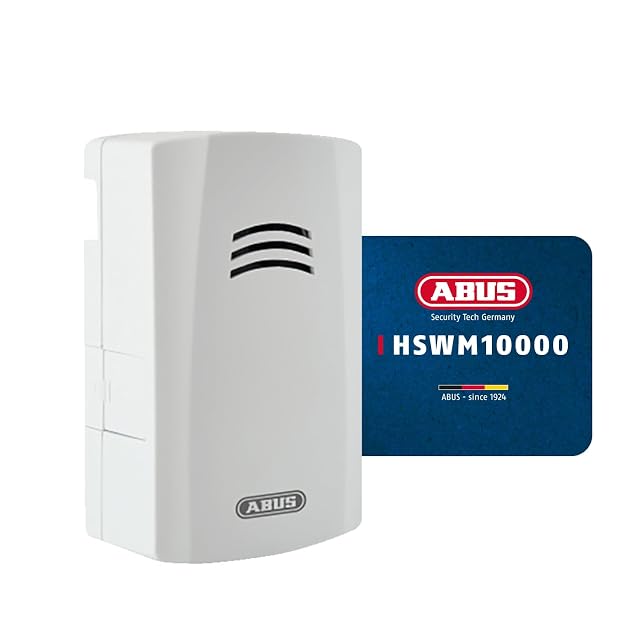
85 dB · two floor probes · stands on the floor · basement, laundry, kitchen, utility room
A standalone water alarm that stands on the floor with two probes underneath. ABUS states an 85 dB tone that sounds as long as the probes are in contact with water or another conductive liquid.
Best for: The floor beside a washing machine, a dishwasher or a water heater.
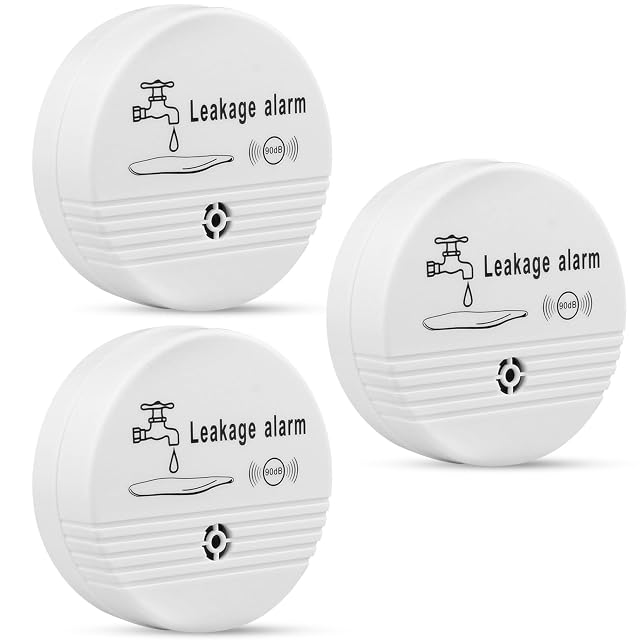
90 dB · three units · two electrodes on the base · wall or floor · ABS
Three water alarms at 90 dB with two electrodes on the base, which GOMETY states trigger immediately on contact with water. Wall or floor mounting, in ABS plastic, with no wiring or programming.
Best for: Covering three risks at once — the usual number in a house with a basement.
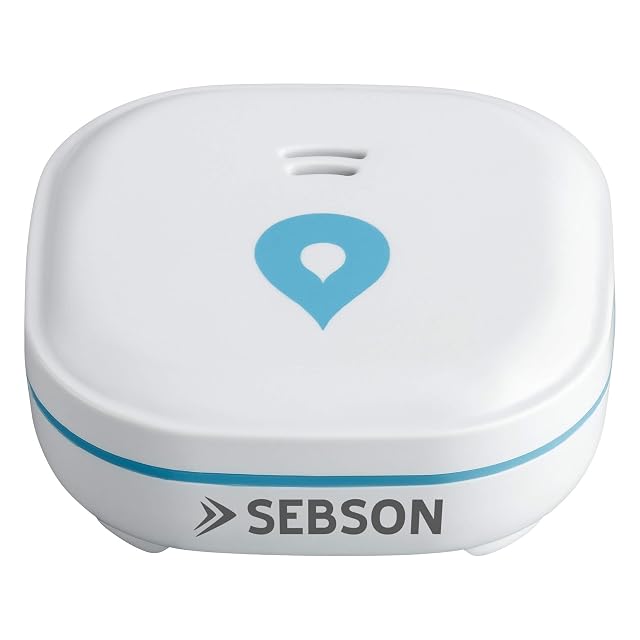
A miniature floor sensor with a sealed lithium battery that SEBSON states lasts ten years. No battery to change, and no battery compartment to corrode.
Best for: A place you will not revisit — under a bath, behind a built-in appliance, beside a boxed-in water heater.