The conclusion Nothing to set up, nothing to pair, nothing to charge, and a replace-by date stamped on the case so you can see at a glance whether it still works — which on a sealed battery is the only honest design. At 1.75 inches it goes behind a toilet or under a kick plate where a connected sensor never would, and Flood Buzz tells you exactly where to lay the prongs. It is local only, 95 dB is the quietest here, and at three years the unit is finished.
What the maker puts in writing
“Factory-installed, pre-tested battery sealed inside — no battery installation, no tools, no app.”
Up to 95 dB at the leak location, comparable to an alarm clock · “For whole-floor coverage, place two units together or upgrade to Flood Buzz Pro at 110 dB.”
“The internal 12V battery is sealed at the factory and is not user-replaceable… Each unit has a replace-by date stamped on the housing.” Up to 3 years active life.
Two metal prongs on the base · “Place prongs flat on the floor in the most likely path of a leak — directly behind a toilet, under a supply line, or at the low point of a drain pan.”
Reusable after every leak event — wipe the prongs dry · patented, Archetype Ltd., New Jersey · 6-pack
No app. No hub. No radio. No phone alert. No freeze detection.
A date stamped on the case
Which is the single most useful thing here.
A sealed battery is a silent failure. Every detector on this shelf with a built-in
cell simply stops working one day, and nothing about it changes — it sits under the
sink looking exactly as it did when it worked.
Flood Buzz stamps a replace-by date on the housing. A glance answers the
question.
The five-year sealed detector on this shelf publishes a life and no date. The one
with AAA cells can just be re-celled.
No app, which is the point
For the places you would never put a connected sensor.
This shelf’s buying tip says to put a sensor where water arrives rather than where you
would notice it — and the awkward spots are also the worst radio spots. Behind a
kick plate. Inside a cabinet. In a drain pan channel.
One point seven five inches across, no radio to fail, no account to lapse.
At eight dollars each you put six of them where you would never run a pairing
procedure.
What it cannot do is tell you anything while you are out. This shelf’s introduction
is blunt about that trade.
It names its own limit
Which is rare on this shelf.
Ninety-five decibels, compared to an alarm clock, with best results close to the
source inside a cabinet.
And then: place two units together, or move up to the Pro at 110 dB.
Two detectors here publish 105 dB, one publishes 100, and one of those lets you
turn it down.
And it tells you where to lay the prongs
Flat on the floor, in the most likely path.
Directly behind a toilet. Under a supply line. At the low point of a drain pan.
That is the buying tip restated by the manufacturer, and no other listing on this
shelf is this specific about placement.
One bullet, two prices
“Under $8 a sensor”, then “roughly $9 per sensor”, in the same sentence.
Forty-six dollars for six is $7.67. The first figure is the right one.
Availability
On sale at around $46 on the American Amazon store at the time of checking.
Prices and availability are what Keepa reported on the date this page was updated; both move.
Prices quoted in this text were read on October 8, 2026. The live price is at the top of the page.
What reassures, and what does not
Strengths
Nothing to set up, pair, charge or install
A replace-by date stamped on the housing
The only published dimensions here, and they are small
Specific placement advice: behind a toilet, under a supply line, drain pan low point
Reusable after wiping the prongs dry
Flood Buzz names its own limit and the 110 dB alternative
Compromises
Local only: no app, no phone alert, nothing when you are away
95 dB, quieter than every other alarm reviewed here
The battery cannot be replaced: at three years the unit is finished
Three years is the shortest of the four published lives here
Eight dollars a sensor for a device with no radio in it
The same bullet says "under $8" and "roughly $9"
Specifications
Setup
None: a factory-installed, pre-tested battery is sealed inside, with no battery installation, no tools and NO APP. Open the box and set each unit on the floor near a water connection. It is the only detector on this shelf that works out of the box with nothing else bought, configured or paired
Alarm
Up to 95 dB at the leak location, compared by the maker to an alarm clock, with best results close to the water source inside an enclosed cabinet or under a sink. Flood Buzz also tells you what to do if it is not enough: place two units together, or move up to the Flood Buzz Pro at 110 dB. That is a maker naming its own product's limit and the remedy
Battery
An internal 12 V battery sealed at the factory and NOT user-replaceable, with up to 3 years of active life — and a REPLACE-BY DATE STAMPED ON THE HOUSING. That stamp is unique on this shelf: a sealed battery with no visible expiry is a detector that silently stops working, and this one carries its own reminder
Sensing element
Two metal prongs on the base, sounding the moment water touches them, with explicit placement advice: lay the prongs flat on the floor in the most likely path of a leak — directly behind a toilet, under a supply line, or at the low point of a drain pan — for the fastest response to even a slow drip
Dimensions
1.75 × 1.5 × 1.5 in — stated, and the only dimensions published on this shelf. Flood Buzz uses them properly: that size fits behind toilet bases, beneath dishwasher kick plates, inside cabinet corners and in HVAC drain pan channels where standard sensors cannot reach
Alerting
Local only, and completely: no app, no hub, no radio, no phone alert. This shelf's introduction says a standalone sensor sounds where it is, which is useless if the leak starts while you are away — this is the purest example of that trade on the shelf, and the lowest-maintenance one
Reusability
Reusable after every leak: wipe the prongs dry and the unit works again until the replace-by date, stated
Supplied
Six alarms at forty-six dollars. The listing says "under $8 a sensor" and then "roughly $9 per sensor" in the same bullet; the arithmetic is $7.67, so the first figure is the right one
Maker
A patented design from Archetype Ltd., a family-owned company in New Jersey — stated, and the only named manufacturer and location on this shelf
Amazon reference
B005OQY5KG
EAN
0857092002159
The questions we are asked
Is a detector with no app worth buying in 2026?
For the places you would never put a connected one, yes. This shelf's buying tip says to put a sensor where water arrives rather than where you would notice it, and the honest problem with connected detectors is that the awkward spots are also the worst radio spots — behind a kick plate, inside a cabinet, in a drain pan channel. This one is 1.75 inches across, has no radio to fail and no account to lapse, and at eight dollars you can put six of them where you would never run a pairing procedure. What it cannot do is tell you anything while you are out.
Why does the replace-by date matter?
Because a sealed battery is a silent failure. Every detector on this shelf with a built-in cell stops working when that cell dies, and nothing about the unit changes — it sits there looking exactly as it did when it worked. Flood Buzz stamps a replace-by date on the housing, so a glance under the sink answers the question, and that is the single most useful thing on this page. The five-year sealed detector on this shelf publishes a life and no date; the one with AAA cells can simply be re-celled.
Is 95 dB loud enough?
Inside a cabinet, probably; across a house, no — and Flood Buzz says so. The listing compares 95 dB to an alarm clock, states that the best results come from placing it close to the source inside an enclosed cabinet or under a sink, and then offers two remedies: put two units together, or move up to the Flood Buzz Pro at 110 dB. A maker naming its own product's limit is rare on this shelf. Two detectors here publish 105 dB and one publishes 100, and one of those lets you turn it down.
Against the rest of the water leak detectors
Between security devices of the same category and nearby price. Shown: what they all state. A half-filled column says nothing.
Model
Price
Battery
Sensing element
Alerting
Flood Buzz FB-6-C small water leak alarm, 6-pack
$46
An internal 12 V battery sealed at the factory and NOT user-replaceable, with up to 3 years of active life — and a REPLACE-BY DATE STAMPED ON THE HOUSING. That stamp is unique on this shelf: a sealed battery with no visible expiry is a detector that silently stops working, and this one carries its own reminder
Two metal prongs on the base, sounding the moment water touches them, with explicit placement advice: lay the prongs flat on the floor in the most likely path of a leak — directly behind a toilet, under a supply line, or at the low point of a drain pan — for the fastest response to even a slow drip
Local only, and completely: no app, no hub, no radio, no phone alert. This shelf's introduction says a standalone sensor sounds where it is, which is useless if the leak starts while you are away — this is the purest example of that trade on the shelf, and the lowest-maintenance one
A built-in battery lasting 5 years with no frequent replacements, stated. Tied with the longest figure on this shelf — but built-in, so when the five years are up the detector is consumed rather than re-celled
Two sets of sensor probes, stated, for early detection near dishwashers, water heaters and washing machines. Two sets rather than one is a real difference — a single contact pair can sit above a shallow film of water that a second, differently placed pair catches
Local out of the box: the 105 dB alarm sounds where the detector is and nothing else happens. Remote monitoring exists only with the H5044 gateway bought separately, which puts this on the local side of the introduction's first distinction until you spend more
Not published. No cell type, no count and no runtime appears; Aqara only says to remove the battery tab before use and to check the battery level if the device does not work. At least four of the fourteen detectors here publish a figure
Highly sensitive probes on the body, with no wiring and no screws — placeable on any flat surface. No remote probe and no cable
Both, through the hub: an instant phone alert AND the local alarm on the Aqara Hub. The sensor itself makes no sound, so the noise happens wherever the hub is rather than where the water is
A SINGLE replaceable battery lasting up to 2 years, stated. Two years is the shortest of the four published lives on this shelf, and replaceable with one cell is the easiest maintenance on it: the five-year detectors here are sealed or take two AAA
Base contacts: place it anywhere you want to detect water. No probe and no cable, where one detector on this shelf supplies 5 ft of cable extendable to 500
Remote only: instant notifications through the eufy Security app if water is detected or the temperature drops, with battery status visible. No siren of its own — the sound, if any, comes from the HomeBase
What separates the models, in security devices
If price decides: eufy Security T8920 water and freeze sensor, HomeBase required, at $35.
What this one costs among water leak detectors
Details checked on October 8, 2026.
The buyer this one serves, among security devices
Six awkward spots — behind a toilet, under a kick plate, in a drain pan — with no app and no account
What buyers actually choose
Amazon reports what buyers took in the month before this page was last checked: at least 500.
The figure is a floor, rounded by Amazon, and read through Keepa — it says what buyers picked, not what a maker claims.
Sources
Specifications: the manufacturer sheet for home security products and the matching Amazon product page. Prices and availability: Keepa. Every figure on this page names its source.
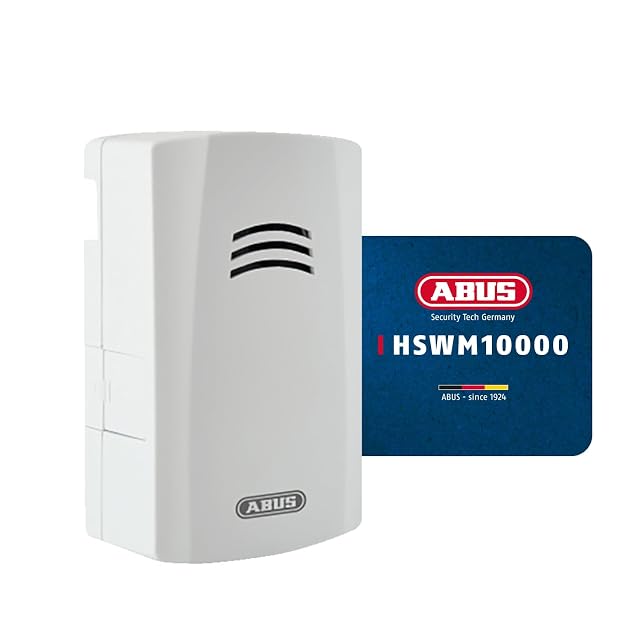
85 dB · two floor probes · stands on the floor · basement, laundry, kitchen, utility room
A standalone water alarm that stands on the floor with two probes underneath. ABUS states an 85 dB tone that sounds as long as the probes are in contact with water or another conductive liquid.
Best for: The floor beside a washing machine, a dishwasher or a water heater.
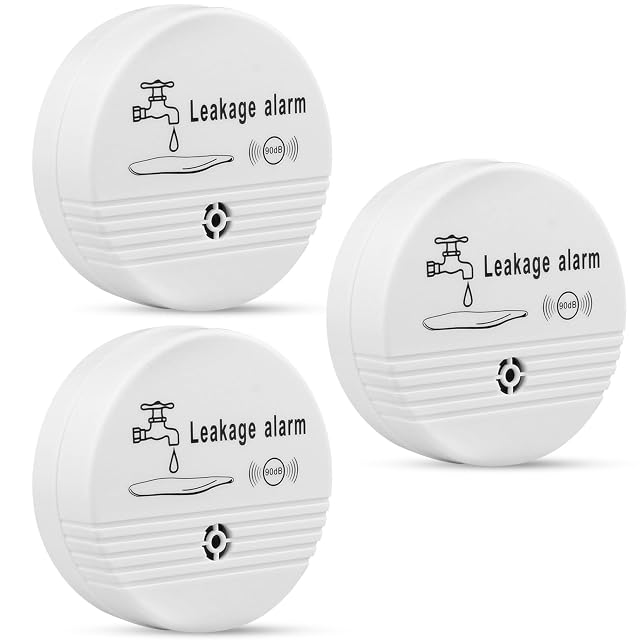
90 dB · three units · two electrodes on the base · wall or floor · ABS
Three water alarms at 90 dB with two electrodes on the base, which GOMETY states trigger immediately on contact with water. Wall or floor mounting, in ABS plastic, with no wiring or programming.
Best for: Covering three risks at once — the usual number in a house with a basement.
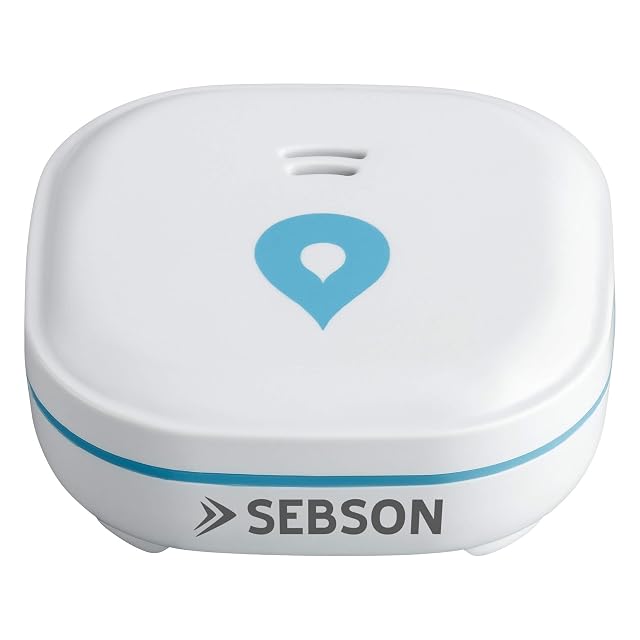
A miniature floor sensor with a sealed lithium battery that SEBSON states lasts ten years. No battery to change, and no battery compartment to corrode.
Best for: A place you will not revisit — under a bath, behind a built-in appliance, beside a boxed-in water heater.