The conclusion The only detector on this shelf that can be laid along the back of an appliance or looped round a cylinder rather than left on a floor — five feet of cable sensing along its whole length, extendable to five hundred — and the only one that watches humidity as well as leaks and freezing. Add a 100 dB alarm, phone alerts, no hub, and a named shut-off valve to pair with. It publishes no battery life and no IP rating, at sixty-two dollars for one unit.
What the maker puts in writing
“Comes with a 5-foot cable sensor that can detect water along its entire length. You can loop and lay the sensor through a basement or utility room and even add cables to extend the water detector sensor length to 500 feet.”
Alerts to water leaks, freezing temperatures, and humidity out of the set range · mobile push and email · LED status lights · 100-decibel alarm
Reusable: reset it, dry the cable completely, plug it back in
Pair with the L5 WiFi water leak shutoff valve to shut off the water at the source
WiFi · battery-operated · standalone or part of a complete water leak control solution
No battery life. No cell type. No IP rating.
A cable, which nothing else here has
And it is the shelf’s own second question.
This shelf’s introduction: feet on the base of the unit detect water that reaches it;
a remote probe or a sensing cable detects water somewhere awkward, such as behind
a washing machine.
At least seven of the fourteen detectors on this shelf are base contacts. They cover one spot
the size of a coaster.
Five feet of cable laid along the back of an appliance, looped round a cylinder,
or run along the low edge of a cellar wall detects water anywhere on its length.
That is the buying tip made possible: put it where water arrives, not where you
would notice it.
Five hundred feet, for a run rather than a point
Which is the extreme case, and a real one.
Extra cables extend the sensing length to 500 feet. Enough to follow a heating
circuit through a basement, line a crawl space, or edge the floor of a plant
room.
The cable senses along its whole length, so one device covers all of it.
For a house, overkill. For a small commercial building, a boat, or a cellar with
pipework on three walls, it is the reason to buy this instead of four cheap pucks.
Humidity, which catches what never leaks
And nothing else on this shelf measures it.
A leak detector finds a burst hose. It finds nothing in a cellar with damp walls,
an unventilated crawl space, or a cupboard where a slow weep evaporates as fast as
it arrives.
Those ruin floors and timber just as surely, over longer.
Set the range once and it stops being an alarm and becomes a condition monitor.
And no battery figure
Which is the gap.
Battery-operated, with no cell type, no count and no runtime.
Four detectors on this shelf publish one, and two of those claim five years.
Availability
On sale at around $62 on the American Amazon store at the time of checking.
Prices and availability are what Keepa reported on the date this page was updated; both move.
Prices quoted in this text were read on October 8, 2026. The live price is at the top of the page.
What reassures, and what does not
Strengths
A 5 ft sensing cable, extendable to 500 ft, detecting along its whole length
Humidity as well as leak and freeze
A 100 dB alarm and phone alerts, so both local and remote
Wi-Fi with no hub to buy
Pairs with a named shut-off valve
The cable unplugs for drying and reuse
Compromises
No battery life published at all
No IP rating
Sixty-two dollars for one detector, the most expensive single unit here
A cable is one more thing to route and to dry
The valve is a separate purchase
Five feet as supplied, with extensions extra
Specifications
Sensing element
A 5-foot cable sensor that detects water along its ENTIRE LENGTH, with additional cables extending the run to 500 feet — stated. This shelf's introduction names exactly this as the second thing worth understanding: feet on the base detect water that reaches the unit, a sensing cable detects water somewhere awkward. At least seven of the fourteen detectors on this shelf are base contacts; this is the one that can be looped round a boiler or laid along a wall
Alerting
Both: a 100 dB alarm and LED status lights at the unit, plus mobile push and email notifications. One of four detectors on this shelf to publish a decibel figure and do both jobs
Detection
Water leaks, freezing temperatures, AND humidity outside a set range — stated. Humidity is unique on this shelf, and it is the measurement that catches a slow problem rather than a burst: a cellar whose damp is rising has no leak to detect
Connection
Wi-Fi with no hub required, stated. Three detectors on this shelf need a hub that is not in the box, and one of those names a gateway that its own earlier gateways cannot replace
Shut-off valve
Pairs with the Resideo L5 Wi-Fi water leak shut-off valve to cut the supply at the source on detection — stated. At least three of the fourteen detectors on this shelf name a valve, and this shelf's introduction compares shut-off integration as one of five axes
Reusability
Reset after a leak: once the water is dealt with and the cable is completely dry, plug it back into the device and it is ready again — stated. The cable unplugs, which is what makes drying it practical
Battery
Not published. The device is described as battery-operated with no cell type, no count and no runtime, where four detectors on this shelf publish a figure and two of those claim five years
Placement
Named for water heaters, sump pumps, under sinks, basements and utility rooms. With a cable, this shelf's buying tip becomes easier to follow: put it where water arrives, not where you would notice it
Ratings
No IP rating published, where three detectors on this shelf publish IP65 or IP67
Amazon reference
B0DP7W92XQ
EAN
0194159013681
The questions we are asked
Why is a sensing cable worth paying for?
Because of where leaks actually start. This shelf's buying tip says to put a sensor where water arrives rather than where you would notice it — under the washing machine, behind the dishwasher, beside the water heater — and the problem with a puck-shaped sensor is that it covers one spot the size of a coaster. A five-foot cable laid along the back of an appliance, looped round a cylinder or run along the low edge of a cellar wall detects water anywhere on its length. At least seven of the fourteen detectors on this shelf cannot do that at any price.
What would I do with 500 feet?
Protect a run rather than a point. Resideo states that extra cables extend the sensing length to 500 feet, which is enough to follow a heating circuit through a basement, run the length of a crawl space, or line the floor edge of a plant room — and because the cable senses along its whole length, one device covers all of it. For a house that is the extreme case; for a small commercial building, a boat, or a cellar with pipework on three walls it is the reason to choose this over four cheap pucks.
What does humidity monitoring add?
It catches the problem that never becomes a leak. A detector watching for water finds a burst hose; it finds nothing in a cellar whose walls are damp, a crawl space with no ventilation, or a cupboard where a slow weep is evaporating as fast as it arrives — and those destroy floors and timber just as surely, over longer. Resideo alerts when humidity goes outside a set range, which is the only such measurement on this shelf. Set the range once and it becomes a condition monitor rather than an alarm.
Against the rest of the water leak detectors
Between security devices of the same category and nearby price. Shown: what they all state. A half-filled column says nothing.
Model
Price
Sensing element
Alerting
Battery
RESIDEO CHW3610W8001 L1 Wi-Fi water leak and freeze detector
$62
A 5-foot cable sensor that detects water along its ENTIRE LENGTH, with additional cables extending the run to 500 feet — stated. This shelf's introduction names exactly this as the second thing worth understanding: feet on the base detect water that reaches the unit, a sensing cable detects water somewhere awkward. At least seven of the fourteen detectors on this shelf are base contacts; this is the one that can be looped round a boiler or laid along a wall
Both: a 100 dB alarm and LED status lights at the unit, plus mobile push and email notifications. One of four detectors on this shelf to publish a decibel figure and do both jobs
Not published. The device is described as battery-operated with no cell type, no count and no runtime, where four detectors on this shelf publish a figure and two of those claim five years
Base contacts. No probe and no sensing cable, where one detector on this shelf supplies a 5 ft cable extendable to 500 ft
Remote only, and stated outright: "Leak Sensor 1 has NO BUILT-IN SIREN; add SpeakerHub or a YoLink siren for audible or spoken alerts if desired." This shelf's introduction makes local versus remote the first distinction worth understanding, and this is the only listing on this shelf that declares its own side of it rather than leaving you to infer it from silence
NOT PUBLISHED. No cell type, no count and no runtime appears, where the maker's own Sensor 4 on this shelf states 2 AAA and up to five years. At least four of the fourteen detectors here publish a figure
Highly sensitive probes on the body, with no wiring and no screws — placeable on any flat surface. No remote probe and no cable
Both, through the hub: an instant phone alert AND the local alarm on the Aqara Hub. The sensor itself makes no sound, so the noise happens wherever the hub is rather than where the water is
Not published. No cell type, no count and no runtime appears; Aqara only says to remove the battery tab before use and to check the battery level if the device does not work. At least four of the fourteen detectors here publish a figure
Two metal prongs on the base, sounding the moment water touches them, with explicit placement advice: lay the prongs flat on the floor in the most likely path of a leak — directly behind a toilet, under a supply line, or at the low point of a drain pan — for the fastest response to even a slow drip
Local only, and completely: no app, no hub, no radio, no phone alert. This shelf's introduction says a standalone sensor sounds where it is, which is useless if the leak starts while you are away — this is the purest example of that trade on the shelf, and the lowest-maintenance one
An internal 12 V battery sealed at the factory and NOT user-replaceable, with up to 3 years of active life — and a REPLACE-BY DATE STAMPED ON THE HOUSING. That stamp is unique on this shelf: a sealed battery with no visible expiry is a detector that silently stops working, and this one carries its own reminder
What separates the models, in security devices
If price decides: Flood Buzz FB-6-C small water leak alarm, 6-pack, at $46.
What this one costs among water leak detectors
Details checked on October 8, 2026.
The buyer this one serves, among security devices
A basement, a utility room or a run of pipework, where the leak will not come to the sensor
What buyers actually choose
Amazon reports what buyers took in the month before this page was last checked: at least 200.
The figure is a floor, rounded by Amazon, and read through Keepa — it says what buyers picked, not what a maker claims.
Sources
Specifications: the manufacturer sheet for home security products and the matching Amazon product page. Prices and availability: Keepa. Every figure on this page names its source.
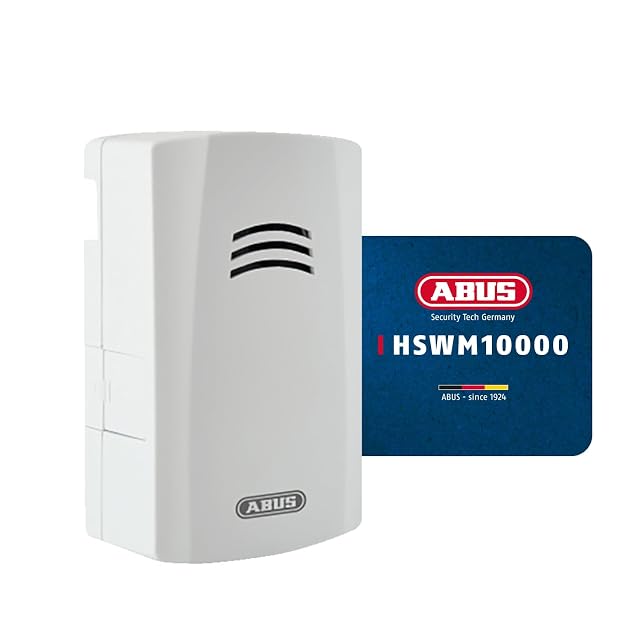
85 dB · two floor probes · stands on the floor · basement, laundry, kitchen, utility room
A standalone water alarm that stands on the floor with two probes underneath. ABUS states an 85 dB tone that sounds as long as the probes are in contact with water or another conductive liquid.
Best for: The floor beside a washing machine, a dishwasher or a water heater.
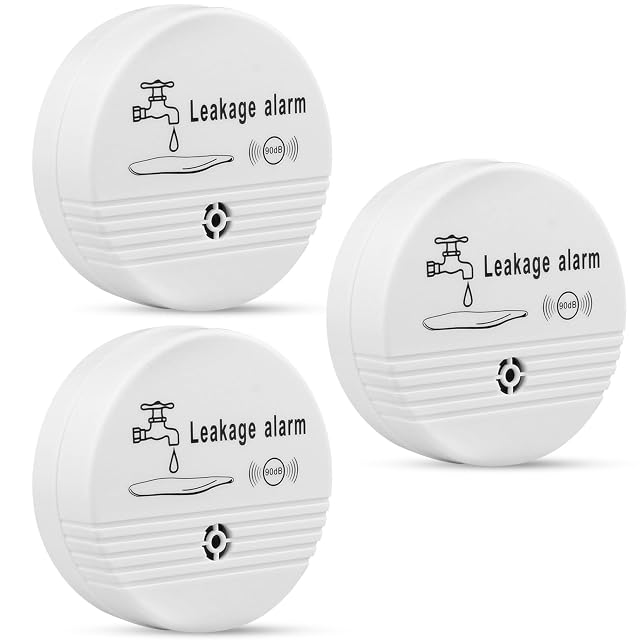
90 dB · three units · two electrodes on the base · wall or floor · ABS
Three water alarms at 90 dB with two electrodes on the base, which GOMETY states trigger immediately on contact with water. Wall or floor mounting, in ABS plastic, with no wiring or programming.
Best for: Covering three risks at once — the usual number in a house with a basement.
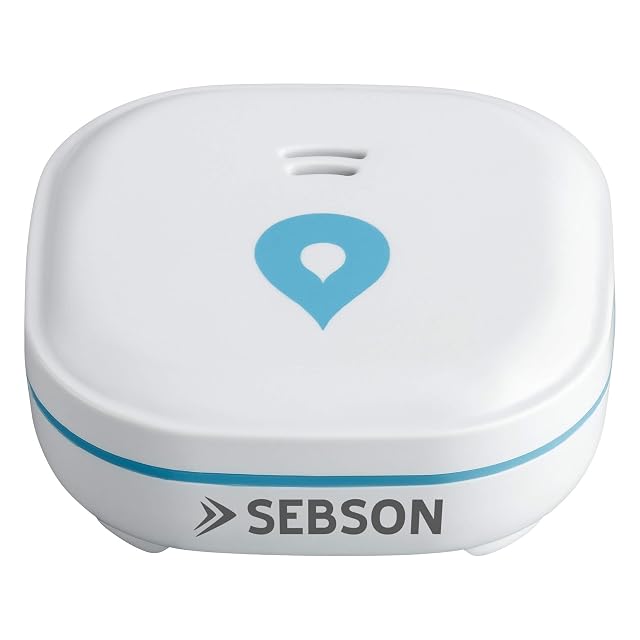
A miniature floor sensor with a sealed lithium battery that SEBSON states lasts ten years. No battery to change, and no battery compartment to corrode.
Best for: A place you will not revisit — under a bath, behind a built-in appliance, beside a boxed-in water heater.