Skip to content

Deterrence: four cheap things, honestly rated

Deterrence works before anybody touches anything, and it is the cheapest part of this subject. A motion light that comes on, a visible bar at a window, warning stickers and — with real reservations — a shell that looks like a camera. The light and the bar are honest without reservation; the two dummy cameras, the BASI and the DODUOS set with its stickers, need a sentence of warning.

Deterrence is the cheapest thing in this subject and the easiest to do badly.

Light that changes

A motion floodlight works by contrast, not by brightness. Set the on-time to a minute — a light that stays on for ten after a cat crosses the garden is on all night, and a light that is always on has stopped telling anybody anything.

Visible hardware

A bar across a window, seen from outside, says the window cannot be opened. That is a decision made before anybody approaches, which is the cheapest place to win.

Signage

A sticker at a gate is read before anybody reaches the building, and in several countries it is part of what the law expects of anyone filming an area others pass through.

Dummy cameras, with the warning

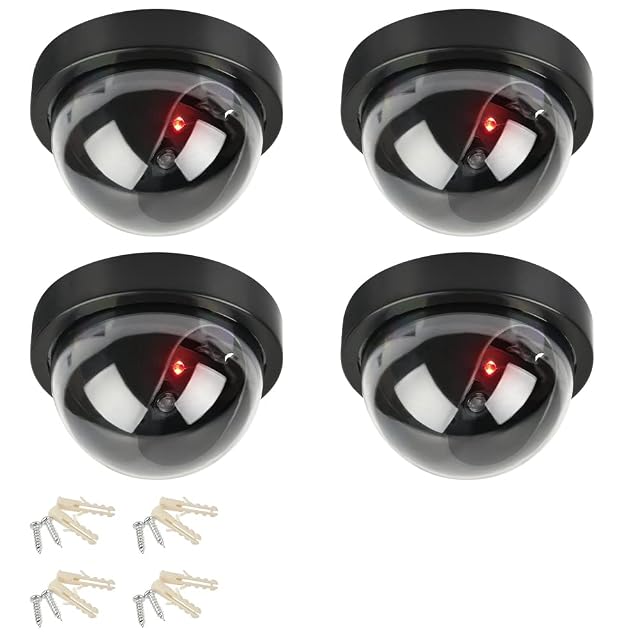
They record nothing. Use them alongside real cameras on approaches that do not justify a real one, and never as the only thing watching. A blinking LED gives them away — real cameras rarely flash — and both in this guide have one: put them where nobody sees them up close, or alongside a real camera.

Which device does your home need?

You have very little to spend
Habits and lighting cost least and do most.
You want visible deterrence
Signage, lighting and gravel all work and cost very little.
You are tempted by a dummy camera
It fools some people and nobody who looks closely, and it records nothing.
You can spend a little
A better lock cylinder is usually the best value purchase in home security.

Picking by what you are protecting

Making the house look occupied

The cheapest effective measure, and mostly a matter of habits rather than purchases.

Removing cover

Where cutting back a hedge costs nothing and removes the concealment an intruder needs.

Making noise

Where gravel underfoot and a gate that squeaks are genuine low-cost deterrents.

Signaling effort

Where the aim is simply to look like more work than the house next door.

What actually protects, and what is noise

Habits before hardware
Locking the side gate, putting ladders away and not leaving windows ajar cost nothing and matter more than most purchases.
Lighting
Among the best value per unit of deterrence, and it helps everything else work.
Removing concealment
Trimming hedges and clearing sightlines costs an afternoon and removes what an intruder relies on.
A better cylinder
If you buy one thing, this is usually it. It addresses the commonest method of forced entry directly.
Honest expectations
Cheap measures deter opportunists. They do not stop a determined attempt, and pretending otherwise helps nobody.

Which figure for which entrance

CostThe measureThe effect
NothingHabits and sightlinesLarger than expected
Very littleGravel and signageNoise and hesitation
A littleMotion lightingBest value deterrent
A bit moreA better lock cylinderAddresses the real method

Where this is usually botched

Relying on a dummy camera
It deters the least observant and records nothing at all. The same money on lighting does more and is genuinely useful.
Ignoring the free measures
Locking the gate, cutting the hedge and putting the ladder away cost nothing and are consistently effective.
Buying a cheap alarm and never arming it
An unarmed alarm is a plastic box. The habit matters more than the hardware.
Overestimating what cheap measures do
They deter opportunists, which is most incidents. They do not stop a determined attempt, and it is better to know that.

By the home you have

The tight budget
Starts with habits, sightlines and lighting, in that order.
The one who can spend a little
Adds a better lock cylinder, which is the best value single purchase.
The renter
Focuses on habits and portable measures, since fixed improvements are not theirs to make.

Batteries, updates and working life

Cheap measures are the ones that quietly lapse. The hedge grows back, the gate stops being locked, the light's sensor gets covered in cobwebs, and the free security disappears without anyone deciding to abandon it.

  • Cut back growth annually; sightlines close up faster than expected.
  • Clean motion sensor windows; cobwebs disable them entirely.
  • Rebuild the habits when routines change, such as after moving or a new job.
  • Check that gravel and gates are still doing their job rather than being bypassed.

Safety

Budget measures must not create hazards.

  • Do not fit anything that could injure someone climbing, whatever the provocation.
  • Keep escape routes clear whatever you fit.
  • Aim any lighting away from neighbors' windows.
  • Do not rely on a dummy device in a situation where you need real evidence.

The choices, and what settled them

  1. GRIFEMA GD402-2

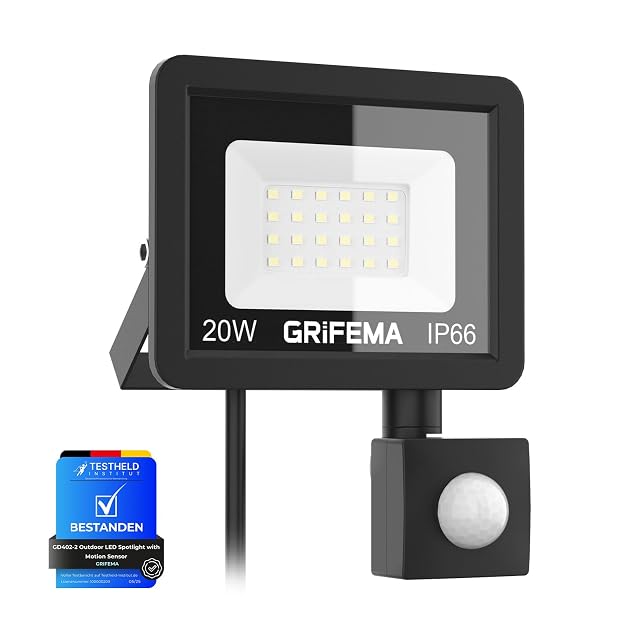
    20 W · 2,200 lm · 6500 K · IP66 · adjustable SENS, TIME and LUX

    A 20 W motion floodlight at 2,200 lumens and 6500 K, rated IP66, with three separate adjustments: sensitivity, on-time and the ambient light level below which it will trigger.

    Best for: A first security light where the three adjustment dials matter more than the brand.
    6.9/10

  2. SCHMIDT security tools 123837

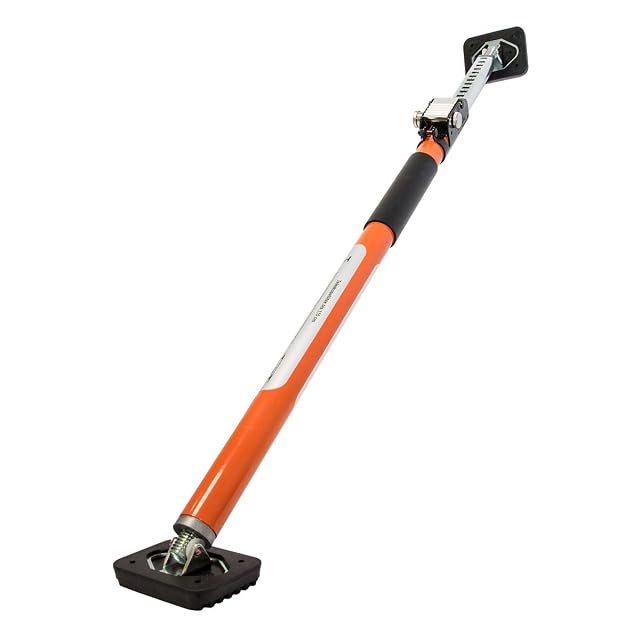
    Telescopic security bar · 101–175 cm (39.8 to 68.9 in) · orange, visible from outside · rubberized pads · no drilling

    A telescopic bar clamped into the window reveal rather than screwed to the frame — vertically, horizontally or diagonally. SCHMIDT states 101 to 175 cm (39.8 to 68.9 in) of adjustment, rubberized pressure pads, and a deliberately visible orange finish.

    Best for: A rented apartment, a vacation rental, or any window where nothing may be drilled.

    8.1/10

  3. BASI 1000-0305

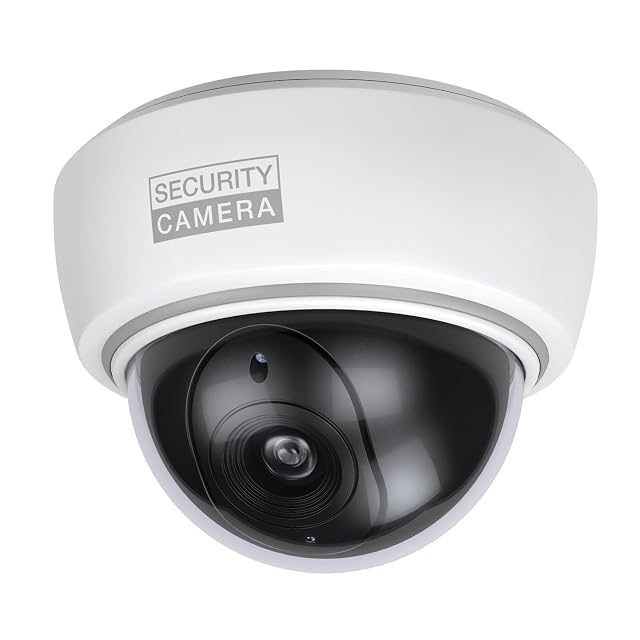
    Dome shell · blinking LED · indoor or outdoor · fixings included · records nothing

    A dome-shaped shell with a blinking LED and a molded lens, sold by a German lock and security hardware maker. It records nothing at all, and this page will not suggest otherwise.

    Best for: A low-value approach already covered by a real camera elsewhere, where a second housing costs nine euros instead of ninety.

    7.2/10

  4. DODUOS Dummy Dome (4-pack)

    Four dome shells · red blinking LED · four warning stickers · records nothing

    Four dome shells with red blinking LEDs and, more usefully, four warning stickers. DODUOS states wall, ceiling or door mounting; none of the four contains a camera.

    Best for: A larger property or a small business frontage where several corners need marking cheaply.

    7.8/10

The questions we are asked

Do dummy cameras work?

A little, on an opportunist scanning a street, and only alongside real ones. They record nothing — no image, no timestamp, nothing to give anybody — and a house covered entirely by decoys produces nothing on the day it matters.

What deters most for the money?

Light that changes. A dark approach that suddenly lights is noticed by neighbors and by the person standing in it; a lamp burning all night is scenery within a week. Keep the on-time short so the change stays a signal.

What is the cheapest effective measure?

Habits: locking the side gate, putting ladders away, keeping windows shut when out. They cost nothing and matter more than most purchases.

Does gravel really help?

Noise underfoot removes the quiet approach an opportunist relies on, and it costs very little. It is a modest but real deterrent.

What one thing should I buy?

If your door has an older cylinder, a better one. It addresses the commonest method of forced entry more directly than anything else at that price.

Do security signs work?

On some people. They cost almost nothing, and the aim is simply to make your house look like more effort than the next one.

Can cheap measures stop a determined burglar?

No, and it is better to be honest about that. They deter opportunists, and that is worth having.

Each device, and the door it watches

GRIFEMA GD402-2

Designed for: A first security light where the three adjustment dials matter more than the brand.
Its main asset: Three separate adjustments — sensitivity, time and daylight threshold

Its main gap: 6500 K is a harsh, blue-white light that neighbors notice

Read the full review →

SCHMIDT security tools 123837

Designed for: A rented apartment, a vacation rental, or any window where nothing may be drilled.

Its main asset: No drilling at all — it clamps into the reveal

Its main gap: A clamped bar depends entirely on the reveal being sound

Read the full review →

BASI 1000-0305

Designed for: A low-value approach already covered by a real camera elsewhere, where a second housing costs nine euros instead of ninety.

Its main asset: Housing molded to resemble a real dome camera, with a lens dummy behind the bubble

Its main gap: It records nothing — there is no camera, no card, no image, ever

Read the full review →

DODUOS Dummy Dome (4-pack)

Designed for: A larger property or a small business frontage where several corners need marking cheaply.

Its main asset: Four shells and four warning stickers in one box

Its main gap: Records nothing — four times over

Read the full review →

What each level of spending protects

The short decision

Comparisons that matter here

Device against device, already covered, inside this guide or this aisle.

What this comparison is built on

The devices listed are drawn from the catalog of this site. Specifications are those the maker and the Amazon listing publish; prices are what Keepa recorded on the date shown, and both move. The order follows declared specifications, the balance between stated strengths and stated limits, and price. No device here has been installed or tested by us, and no page claims it was.

Last checked on

Prices quoted in these summaries are dated readings. The live price is shown next to each product.

The tool we use ourselves

Chosen your tool? Now buy it at the right price.

Cameras, alarm kits and safes swing by thirty dollars or more across the year, and the biggest "discounts" often land at prices the same model sold for six weeks earlier. UniverTrack tracks the real price history across retailers, spots fake reductions, and alerts you when it is genuinely the moment to buy.

Real price historyBuy-now alertsAI buying assistant
Try free for 14 days →
No commitment · Cancel in one click · 5 languages