Skip to content

Under a hundred dollars: five things that actually change something

Security spending goes wrong when it buys the impressive thing rather than the effective one. These five come to under a hundred dollars together, and between them they cover the door, a window, the inside, an opening and water damage, one of the most common home insurance claims.

A hundred dollars spent well changes more than five hundred spent on the wrong things.

What is in this list and why

A cylinder, because the builder’s one is what gets snapped. A window lock, because securing a door moves attention to the windows beside it. A camera, because knowing matters. A door alarm for a shed or a side door. And a water sensor, which has nothing to do with security and guards against common, costly damage.

What costs nothing at all

Longer screws. A strike plate held by two 25 mm (0.98 in) screws into the jamb is what gives way, and 80 mm (3.15 in) screws through the jamb into the framing cost a few dollars.

What to add next

A parcel box, if deliveries are frequent; this site does not review one yet.

What to skip

Dummy cameras, until there are real ones.

Which device does your home need?

You have a fixed small budget
Spend it on the door and the lighting before anything else.
You are tempted by a camera bundle
Check what it does without a subscription, because that is often most of it.
You want an alarm
A basic self-monitored kit is affordable, and arming it is what matters.
You rent
Portable measures only, since fixed improvements are not yours to keep.

Picking by what you are protecting

The front door

Where a modest sum does the most good, because it addresses the commonest entry point directly.

Lighting

Where inexpensive motion lights deter and improve any camera footage at the same time.

A basic alarm

Where an affordable self-monitored kit covers entry points, provided it actually gets armed.

One camera

Where a single well-placed camera at the door beats several badly placed ones.

What actually protects, and what is noise

Order of spending
Locks, then lighting, then detection, then recording. Each layer supports the next, and skipping to the last is the common mistake.
Ongoing costs
Subscriptions and batteries continue after the purchase. A cheap device with a monthly fee is not cheap.
What works without a plan
Many budget cameras are nearly useless unplanned. That is the single most important thing to check.
Whether you will use it
An alarm that is never armed and a camera nobody checks are both money spent on nothing.
Placement over quantity
One camera at the right place beats three at the wrong ones, and it costs less.

Which figure for which entrance

PriorityThe spendWhy
FirstThe door cylinderThe commonest entry point
SecondMotion lightingDeters and helps cameras
ThirdA basic alarmOnly if you arm it
FourthOne cameraPlaced well, not multiplied

Where this is usually botched

Buying cameras before improving the door
It records an entry a better lock would have prevented. The order of spending matters more than the total.
Ignoring subscription costs
A cheap camera with a monthly fee costs more over two years than a better one without. That is easy to overlook and hard to escape.
Buying a multi-camera bundle
Three badly placed cameras are worse than one placed well, and the bundle is usually where the compromises live.
Never arming the alarm
The commonest failure of budget security. Ease of use is what determines whether the money achieves anything.

By the home you have

The first-time buyer
Spends on the door, then lighting, and stops there until the next budget.
The renter
Buys only portable measures, which move to the next home.
The gradual improver
Adds a layer at a time in the right order rather than buying a bundle at once.

Batteries, updates and working life

Budget equipment is less tolerant of neglect and often not repairable, so maintenance decides its useful life. A cheap camera with a clogged lens or an alarm sensor with a dead battery has stopped working, and nothing will tell you.

  • Test the whole system periodically; budget devices fail silently.
  • Replace batteries on a schedule rather than waiting for warnings.
  • Clean lenses and sensor windows, which affects cheap optics most.
  • Check consumable and replacement part availability before you need them.

Safety

A low budget does not lower the obligations.

  • Change default passwords on every connected device regardless of price.
  • Keep firmware current; inexpensive cameras are common targets.
  • Check the rules on cameras that see beyond your property.
  • Do not let any measure block a fire escape route.

The choices, and what settled them

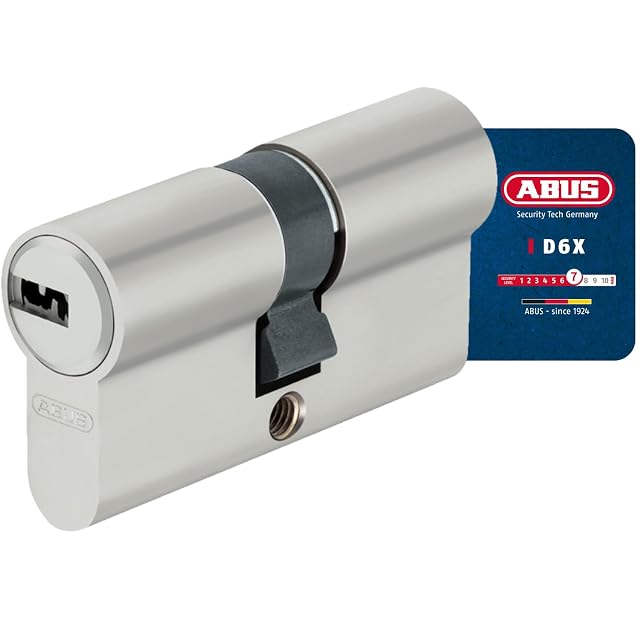
  1. ABUS D6XNP 30/30

    30/30 mm (1.18 in) · anti-pick pins · emergency function · 5 reversible keys · code card

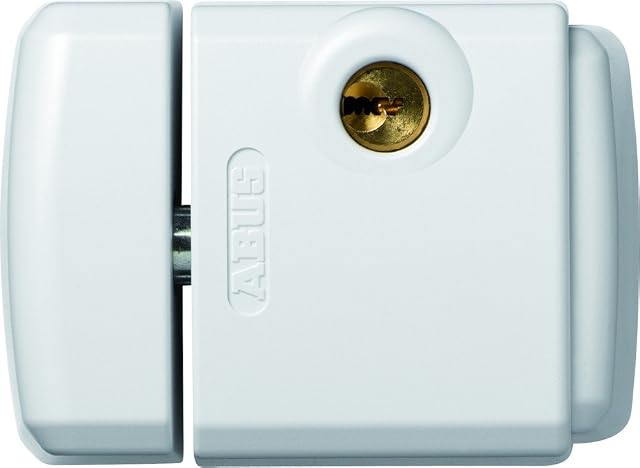
    ABUS's everyday euro cylinder: special pins for pick and manipulation resistance, an emergency function that works with a key in the other side, and five reversible keys with a code card for reordering.

    Best for: Replacing a builder's cylinder on a front door, at the smallest sensible price.

    7.2/10

    ≈ $54

  2. ABUS FTS3003

    Bolt lock, inward-opening windows · 4-pin cylinder · keyed alike · ABUS level 5 · key to open only

    A bolt-action window lock for inward-opening windows and French windows. ABUS states a four-pin cylinder, keyed-alike operation, and a mechanism that locks by pushing — the key is needed only to open it.

    Best for: Ground-floor windows that get locked every night, where hunting for a key each time would end the habit.

    7.5/10

    ≈ $60

  3. GNCC P5W

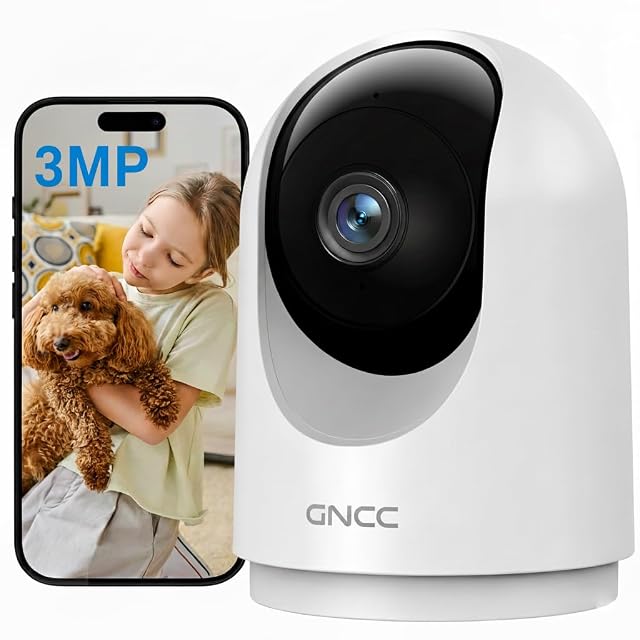
    2K · 355° pan, 60° tilt · 6 IR LEDs · privacy shutter · 2.4/5 GHz

    The cheapest camera in this hub with a physical privacy shutter. GNCC states 2K resolution, a 355° sweep, six infrared LEDs and both motion and sound detection, with recording to card or to an optional cloud plan.

    Best for: A first indoor camera, or a second one for a room where the cost of losing it matters more than the picture.

    7.2/10

    ≈ $10

  4. HENDUN SZSF03R

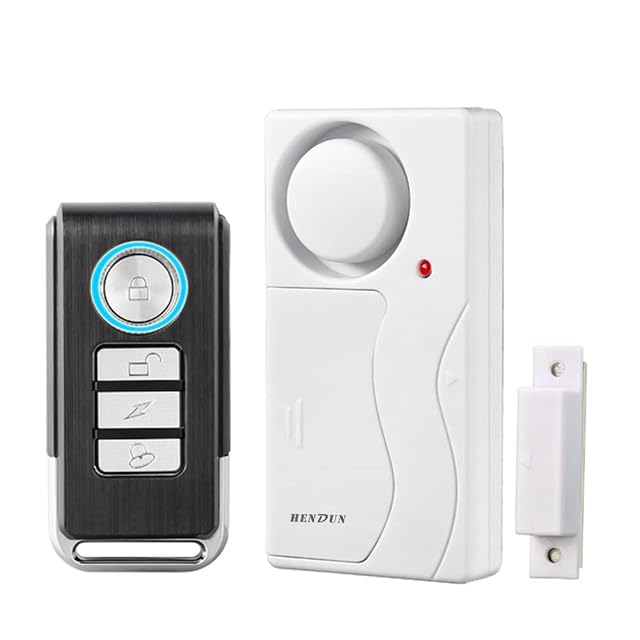
    Standalone magnetic contact · remote control · up to 8 remotes per sensor · chime or alarm

    A standalone magnetic door and window alarm with a remote control, which HENDUN states can be paired with up to eight remotes per sensor, and used as a chime as well as an alarm.

    Best for: A single door — a shed, a gate, an internal door — that should announce itself with no system behind it.

    6.9/10

    ≈ $10

  5. ABUS HSWM10000

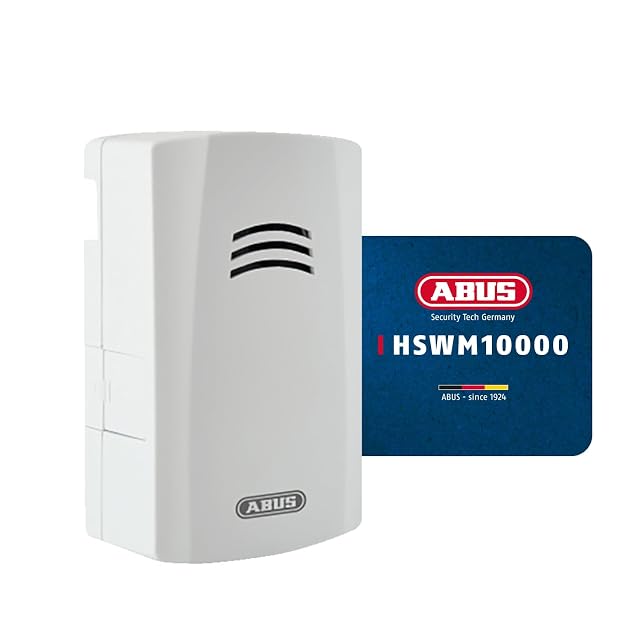
    85 dB · two floor probes · stands on the floor · basement, laundry, kitchen, utility room

    A standalone water alarm that stands on the floor with two probes underneath. ABUS states an 85 dB tone that sounds as long as the probes are in contact with water or another conductive liquid.

    Best for: The floor beside a washing machine, a dishwasher or a water heater.

    6.9/10

The questions we are asked

Is cheap security worth anything?

Some of it, yes. A cylinder, a window lock and long screws address the ways houses are actually entered, and they cost a fraction of a camera. What is not worth anything is a cheap version of something whose whole point is resistance — a thin padlock, a light safe.

What should I not buy at this budget?

A safe, because a cheap one is a portable box, and an alarm kit, because a cheap system is one you stop arming. Both are worth doing properly later rather than badly now.

What should I spend on first?

The front door: the cylinder and long screws in the strike plate. They prevent entry, whereas cameras record it, and the order matters more than the total spent.

Are cheap camera bundles worth it?

Usually less than one well-placed camera. Bundles are where the compromises live, and badly placed cameras record very little of use.

What about subscription costs?

They are the hidden part of the price. A cheap camera with a monthly fee can cost more over two years than a better one without.

Can I build a system gradually?

That is usually the best approach: locks, lighting, detection, recording, in that order, adding a layer when the budget allows.

Is a cheap alarm any good?

If it is easy to arm and you actually arm it, yes. An alarm nobody uses is worse value than no alarm at all.

Does price affect security obligations?

Not at all. Default passwords, firmware updates and camera positioning rules apply exactly the same to inexpensive equipment.

Each device, and the door it watches

ABUS D6XNP 30/30 · $54

Designed for: Replacing a builder's cylinder on a front door, at the smallest sensible price.

Its main asset: Emergency function: it operates from outside with a key left in the inside

Its main gap: 30/30 is a short cylinder — it fits a thin door and not a thick one

Read the full review →

ABUS FTS3003 · $60

Designed for: Ground-floor windows that get locked every night, where hunting for a key each time would end the habit.

Its main asset: Locks by pushing — the key is only needed to open, per ABUS

Its main gap: On vinyl it holds only with the correct fixing kit — the frame's steel reinforcement must be found

Read the full review →

GNCC P5W · $10

Designed for: A first indoor camera, or a second one for a room where the cost of losing it matters more than the picture.

Its main asset: Physical privacy shutter that closes over the lens, at the lowest price here

Its main gap: Little firmware history and no track record on long-term app support

Read the full review →

HENDUN SZSF03R · $10

Designed for: A single door — a shed, a gate, an internal door — that should announce itself with no system behind it.

Its main asset: Completely standalone: no hub, no app, no account

Its main gap: No notifications and no log

Read the full review →

ABUS HSWM10000

Designed for: The floor beside a washing machine, a dishwasher or a water heater.

Its main asset: Nothing to configure — put it down and it works

Its main gap: Local only — nobody hears it when the house is empty, which is when leaks matter

Read the full review →

What each level of spending protects

What to add to it

Accessories and spares from the same aisle, at the price we read. Confirm they suit the device you choose before ordering: it turns on the model and the part number, which the listing gives.

The short decision

Comparisons that matter here

Device against device, already covered, inside this guide or this aisle.

What this comparison is built on

The devices listed are drawn from the catalog of this site. Specifications are those the maker and the Amazon listing publish; prices are what Keepa recorded on the date shown, and both move. The order follows declared specifications, the balance between stated strengths and stated limits, and price. No device here has been installed or tested by us, and no page claims it was.

Last checked on

Prices quoted in these summaries are dated readings. The live price is shown next to each product.

The tool we use ourselves

Chosen your tool? Now buy it at the right price.

Cameras, alarm kits and safes swing by thirty dollars or more across the year, and the biggest "discounts" often land at prices the same model sold for six weeks earlier. UniverTrack tracks the real price history across retailers, spots fake reductions, and alerts you when it is genuinely the moment to buy.

Real price historyBuy-now alertsAI buying assistant
Try free for 14 days →
No commitment · Cancel in one click · 5 languages